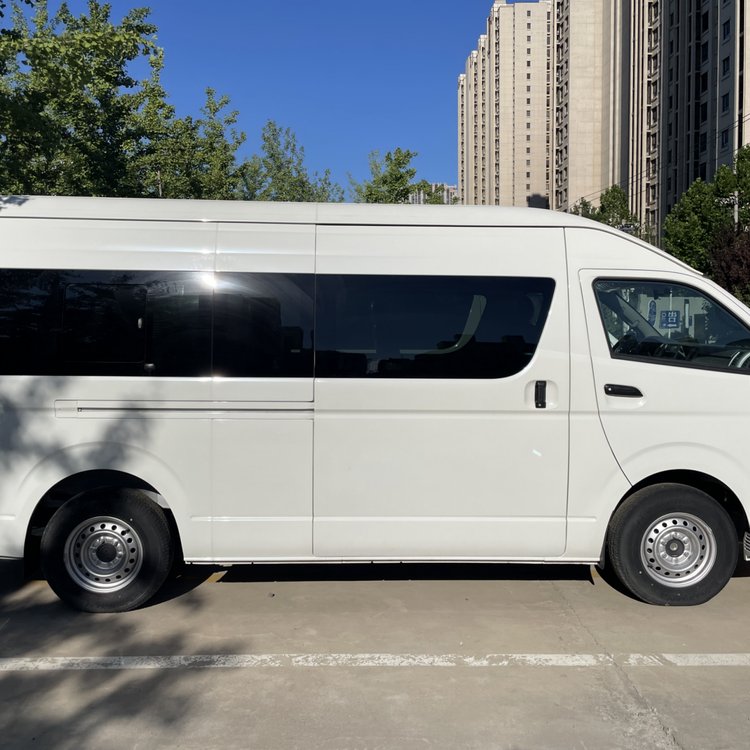
New energy commercial vehicles are a type of transportation that has emerged in recent years with the popularization of environmental protection concepts and technological advancement. They are mainly targeted at group travel, business reception and other scenarios. It uses electricity as its power source. Compared with traditional fuel vehicles, it has the advantages of zero emissions, low noise, and low operating costs. It is especially suitable for short-distance and high-frequency use in cities. This article will analyze how this type of vehicle meets the needs of group travel from the perspectives of technical features, service support and usage scenarios.
1. Technical characteristics and core configuration: New energy commercial vehicles usually use pure electric or hybrid power systems. The core components include high-density battery packs, high-efficiency motors and intelligent energy management systems. The capacity of the battery pack directly affects the cruising range. Currently, mainstream models can achieve 200-400 kilometers of cruising range, which can meet the needs of a one-day round trip in the city. The body design focuses on space utilization. Models that can accommodate 10 people mostly adopt a 2+2+3 or 2+3+2 seat layout. Some models are equipped with foldable seats to flexibly adjust the passenger and cargo space. In addition, the vehicle's intelligent driving assistance systems (such as lane keeping, automatic emergency braking) and energy recovery technology further improve safety and energy efficiency.
2. Professional
New energy commercial vehicles are a type of transportation that has emerged in recent years with the popularization of environmental protection concepts and technological advancement. They are mainly targeted at group travel, business reception and other scenarios. It uses electricity as its power source. Compared with traditional fuel vehicles, it has the advantages of zero emissions, low noise, and low operating costs. It is especially suitable for short-distance and high-frequency use in cities. This article will analyze how this type of vehicle meets the needs of group travel from the perspectives of technical features, service support and usage scenarios.
1. Technical characteristics and core configuration: New energy commercial vehicles usually use pure electric or hybrid power systems. The core components include high-density battery packs, high-efficiency motors and intelligent energy management systems. The capacity of the battery pack directly affects the cruising range. Currently, mainstream models can achieve 200-400 kilometers of cruising range, which can meet the needs of a one-day round trip in the city. The body design focuses on space utilization. Models that can accommodate 10 people mostly adopt a 2+2+3 or 2+3+2 seat layout. Some models are equipped with foldable seats to flexibly adjust the passenger and cargo space. In addition, the vehicle's intelligent driving assistance systems (such as lane keeping, automatic emergency braking) and energy recovery technology further improve safety and energy efficiency.
2. Professional customization services: From demand to implementation, new energy commercial vehicles provide modular customization services according to the needs of different scenarios. For example, the business reception scene can be equipped with independent air conditioning, privacy glass and desk boards; the tour charter scene can be equipped with luggage racks, USB charging interfaces and car entertainment systems; the medical rescue scene can be converted into a mobile diagnosis and treatment cabin, equipped with first aid equipment and disinfection facilities. The customization process usually includes requirements communication, solution design, 3D modeling verification and prototype vehicle testing. A professional team will follow up the entire process to ensure that the final product meets usage specifications and safety standards.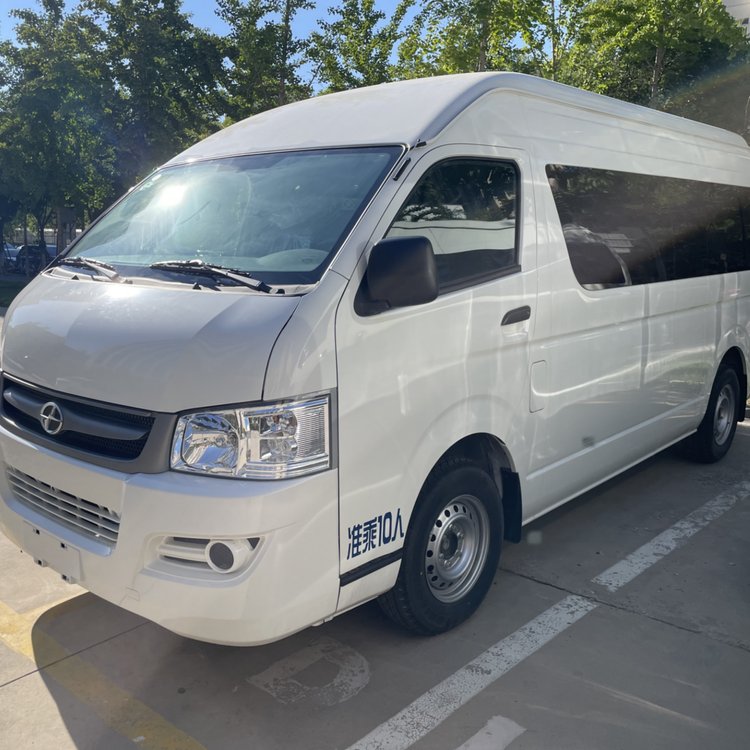
3. Service system and after-sales guarantee: The operation of new energy commercial vehicles relies on the support of a complete service network. Regular service providers will provide full-cycle services from vehicle delivery to daily maintenance, including regular maintenance, fault diagnosis, battery health testing and software upgrades. In response to emergencies, some service providers promise to respond to maintenance needs within 43 hours and equip mobile service vehicles for quick on-site processing. In addition, users can check vehicle status, reserve services and obtain technical consultation in real time through the digital platform, reducing operation and management costs. It is worth noting that when selecting a service provider, you should focus on examining its qualification certification, technical team size and spare parts supply capabilities to ensure long-term reliability.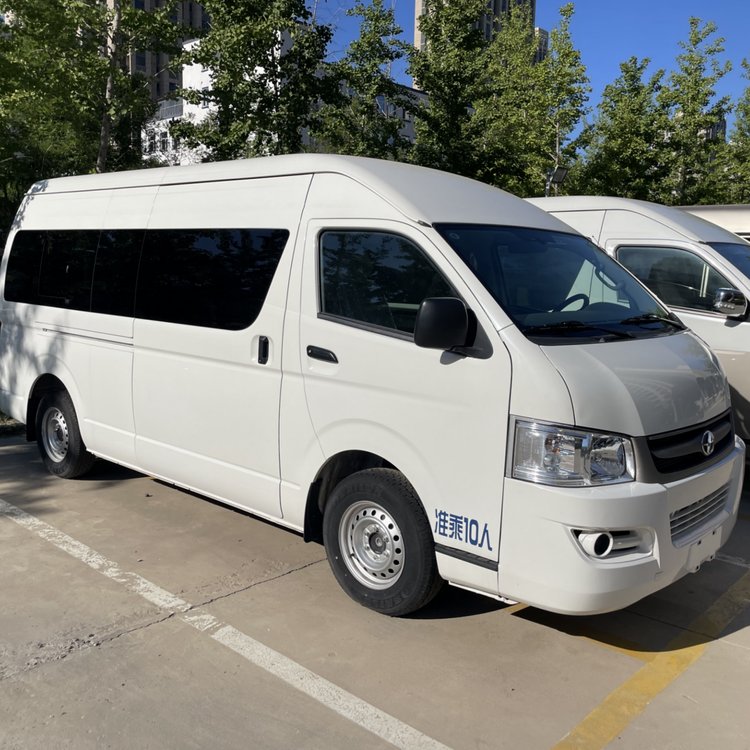
🛒 New energy commercial vehicles are customized by a professional team with full worry-free service and can accommodate up to 10 people.
4. Applicable scenarios and actual performance: In practical applications, new energy commercial vehicles have covered many fields such as corporate commuting, airport connections, and scenic spot sightseeing. Taking corporate commuting as an example, after the introduction of 10 customized vehicles in a large park, the average annual carbon dioxide emissions were reduced by about 120 tons, and the operating costs were 40% lower than those of fuel vehicles. The intelligent dispatching system installed on the vehicle can also optimize routes based on real-time traffic conditions to further improve efficiency. For operators, choosing models with a complete service system and fast after-sales response can significantly reduce the risk of outage and improve user experience.