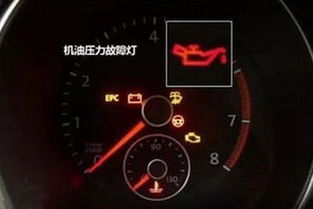
Hey there, car enthusiasts and everyday drivers! Ever find yourself scratching your head when that pesky Check Engine Lightpops up on your dashboard? Well, you're not alone. The Check Engine Light is one of the most c
Hey there, car enthusiasts and everyday drivers! Ever find yourself scratching your head when that pesky Check Engine Light pops up on your dashboard? Well, you\'re not alone. The Check Engine Light is one of the most common indicators that something might be up with your vehicle. But what exactly causes it to illuminate? Let\'s dive into the nitty-gritty of this mysterious light and uncover the reasons behind its appearance.
Understanding the Check Engine Light
First things first, let\'s talk about what the Check Engine Light actually is. This little symbol, usually resembling an engine with an exclamation mark, indicates that there\'s a problem with your vehicle\'s engine management system. The system is designed to monitor various aspects of your car, including emissions, fuel efficiency, and engine performance. When it detects an issue, the CEL lights up to alert you.
Top 10 Reasons for a Check Engine Light
Now, let\'s get into the nitty-gritty and discuss the top 10 reasons why your Check Engine Light might be on.
1. Oxygen Sensor Issues
Oxygen sensors play a crucial role in your car\'s emissions control system. They measure the oxygen content in the exhaust gases and help adjust the air-fuel mixture. If these sensors become clogged or malfunction, the CEL will likely pop up.
2. Mass Airflow Sensor Malfunction
The mass airflow sensor measures the amount of air entering the engine. If it\'s dirty, damaged, or out of calibration, your car\'s computer might interpret it as a problem, triggering the CEL.
3. Fuel Filter Clogs
Fuel filters keep your engine running smoothly by removing impurities from the
Hey there, car enthusiasts and everyday drivers! Ever find yourself scratching your head when that pesky Check Engine Light pops up on your dashboard? Well, you\'re not alone. The Check Engine Light is one of the most common indicators that something might be up with your vehicle. But what exactly causes it to illuminate? Let\'s dive into the nitty-gritty of this mysterious light and uncover the reasons behind its appearance.
Understanding the Check Engine Light
First things first, let\'s talk about what the Check Engine Light actually is. This little symbol, usually resembling an engine with an exclamation mark, indicates that there\'s a problem with your vehicle\'s engine management system. The system is designed to monitor various aspects of your car, including emissions, fuel efficiency, and engine performance. When it detects an issue, the CEL lights up to alert you.
Top 10 Reasons for a Check Engine Light
Now, let\'s get into the nitty-gritty and discuss the top 10 reasons why your Check Engine Light might be on.
1. Oxygen Sensor Issues
Oxygen sensors play a crucial role in your car\'s emissions control system. They measure the oxygen content in the exhaust gases and help adjust the air-fuel mixture. If these sensors become clogged or malfunction, the CEL will likely pop up.
2. Mass Airflow Sensor Malfunction
The mass airflow sensor measures the amount of air entering the engine. If it\'s dirty, damaged, or out of calibration, your car\'s computer might interpret it as a problem, triggering the CEL.
3. Fuel Filter Clogs
Fuel filters keep your engine running smoothly by removing impurities from the fuel. Over time, these filters can become clogged, causing the CEL to illuminate.
4. EGR Valve Issues
The Exhaust Gas Recirculation valve helps reduce emissions by recirculating a portion of the exhaust gases back into the engine. If the valve is stuck open or closed, the CEL will most likely appear.
5. catalytic Converter Problems
The catalytic converter is responsible for converting harmful pollutants into less harmful substances. If it\'s clogged or broken, the CEL will light up to warn you.
6. Loose Gas Cap
<p Believe it or not, a loose gas cap can trigger the CEL. The engine control unit monitors the fuel system pressure, and if it detects a leak, the CEL will turn on.
7. Spark Plugs and Wires
Dirty, worn-out, or damaged spark plugs and wires can cause the engine to misfire, leading to the CEL. Regular maintenance can help prevent this issue.
8. Engine Compression Issues
Low engine compression can cause the CEL to illuminate, as it affects the engine\'s performance. If you experience a loss of power or rough idling, this could be a sign of low compression.
9. Faulty Catalytic Converter
Similar to the issues with the catalytic converter, a faulty converter can cause the CEL to light up. This could be due to a clog, damage, or a faulty oxygen sensor.
10. ECM/PCM Problems
The Engine Control Module or Powertrain Control Module is the brain of your car\'s engine management system. If it malfunctions, the CEL will likely be one of the first signs.
So, there you have it – the top 10 reasons why your Check Engine Light might be on. Remember, it\'s essential to address these issues promptly to avoid further damage to your vehicle and ensure your safety on the road. If you\'re ever in doubt, don\'t hesitate to consult a professional mechanic or refer to your vehicle\'s manual for more information.
Material
High-tensile steel / forged aluminum
Finish
E-coat / powder paint / zinc plating
Standards
IATF / ISO-based process control
Warranty
24 months
MOQ
50-100 pcs per reference
Lead Time
25-35 days after PO
Passenger Cars
SUVs & Pickups
Commercial Vehicles
Off-road Vehicles
Compatible Brands:
Toyota, Honda, Nissan, BMW, Mercedes-Benz, Ford, Hyundai, Kia, Volkswagen, Land Rover, and more...
Request a Quote
Just for B2B inquiries, no retail please. We'll get back to you within 24 hours.