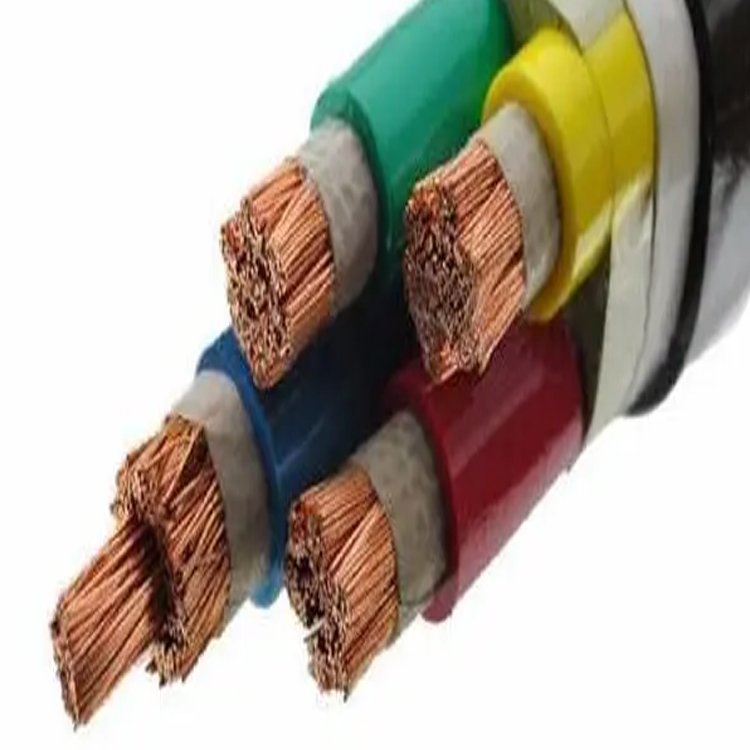
With the popularity of electric vehicles, the safety and stability of charging facilities have become the focus of users. As the "blood vessels" connecting charging piles and vehicles, charging cables must have the characteristics of high voltage resistance, anti-aging, and good flexibility to adapt to complex usage environments. Among them, the new energy EVR 2.5 square meter electric vehicle charging pile wire has become a key component in the charging scenario due to its technical characteristics.
1. Materials and structure: Collaborative design of tinned copper wire + double-layer TPE. The core conductor of this cable is tinned copper wire. Compared with ordinary copper wire, the tinned layer can improve the conductive stability and reduce the resistance increase caused by oxidation. It is suitable for long-term large current transmission. Both the insulation layer and the sheathing layer use TPE (thermoplastic elastomer) material. This material combines the flexibility of rubber with the weather resistance of plastic. It can maintain stable performance in a wide temperature range of -40°C to 105°C, avoiding safety hazards caused by low-temperature embrittlement or high-temperature softening.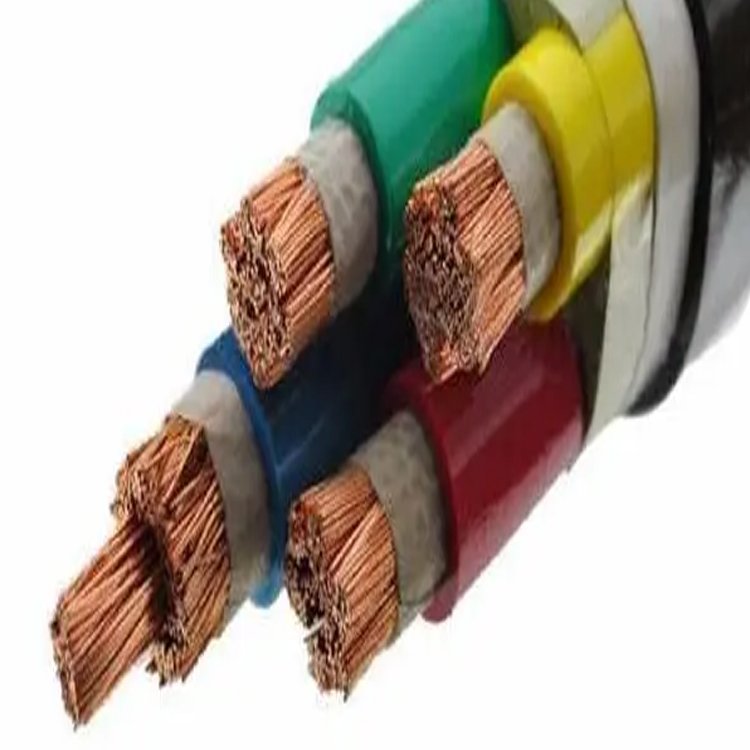
2. Technical Parameters and Scenario Adaptation The "EV" in the model specifications clearly states that it is specially designed for electric vehicles. The 2.5 square cross-sectional area can carry up to 32A current, matching the output requirements of mainstream charging piles. Multi-core structures (usually 3 or 5 cores) support simultaneous transmission of power and signals, such as charging status monitoring or over
With the popularity of electric vehicles, the safety and stability of charging facilities have become the focus of users. As the "blood vessels" connecting charging piles and vehicles, charging cables must have the characteristics of high voltage resistance, anti-aging, and good flexibility to adapt to complex usage environments. Among them, the new energy EVR 2.5 square meter electric vehicle charging pile wire has become a key component in the charging scenario due to its technical characteristics.
1. Materials and structure: Collaborative design of tinned copper wire + double-layer TPE. The core conductor of this cable is tinned copper wire. Compared with ordinary copper wire, the tinned layer can improve the conductive stability and reduce the resistance increase caused by oxidation. It is suitable for long-term large current transmission. Both the insulation layer and the sheathing layer use TPE (thermoplastic elastomer) material. This material combines the flexibility of rubber with the weather resistance of plastic. It can maintain stable performance in a wide temperature range of -40°C to 105°C, avoiding safety hazards caused by low-temperature embrittlement or high-temperature softening.
2. Technical Parameters and Scenario Adaptation The "EV" in the model specifications clearly states that it is specially designed for electric vehicles. The 2.5 square cross-sectional area can carry up to 32A current, matching the output requirements of mainstream charging piles. Multi-core structures (usually 3 or 5 cores) support simultaneous transmission of power and signals, such as charging status monitoring or overload protection through additional core wires. The outer diameter of the cable can be customized on demand and can be adapted to different installation spaces. Whether it is a home garage or a public charging station, it can be deployed flexibly.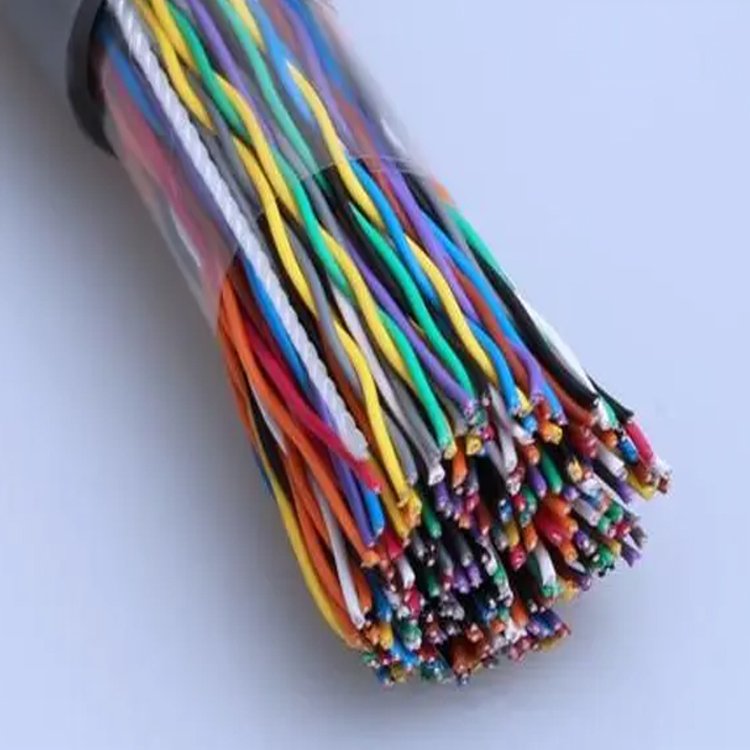
3. High voltage resistance and safety: Double guarantee from materials to processes. During the charging process, the cable needs to withstand hundreds of volts of voltage, so high voltage resistance is the core indicator. By optimizing the insulation layer thickness and TPE material formula, the cable can stably withstand voltages above 1,000V, far exceeding the conventional requirements of home charging piles. In addition, the double-layer TPE structure (insulation layer + sheath layer) forms physical isolation. Even if the outer layer is damaged due to friction, the inner layer can still maintain insulation performance and reduce the risk of leakage. During the production process, cables must pass strict quality inspections such as bending tests and wear resistance tests to ensure that they will not crack or deform after long-term use.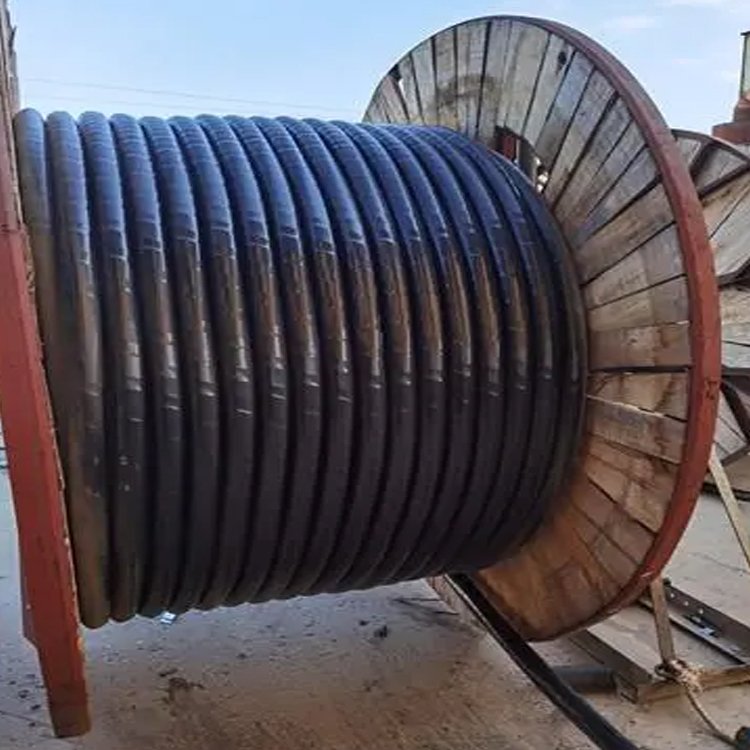
🛒 New energy EVR2.5 square electric vehicle charging pile wire with high voltage resistance wire Tongle cable
4. Use and maintenance: Standardize the operation to extend the service life. During installation, you need to avoid excessive bending of the cable (the minimum bending radius is usually 6 times the outer diameter) to prevent the internal conductor from breaking. During use, you should stay away from oil, chemical solvents and other corrosive substances to avoid aging of the TPE material. Regularly check whether the cable sheath is damaged or discolored. If any abnormality is found, replace it in time. It is worth noting that although the cable supports customized outer diameter, the cross-sectional area (such as 2.5 square meters) must strictly match the parameters of the charging equipment. Changing to non-standard specifications without permission may cause overheating or reduced charging efficiency.