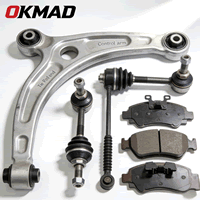
Maintaining a Car Without 4S Store
Maintaining your car is essential to keep it in good condition and increase its lifespan. However, many car owners are hesitant to take their cars to 4S stores due to the high cost of maintenance. In this article, we will explore whether it is possible to maintain your car without 4S stores and provide tips for DIY car maintenance to keep your car in good condition.
Part 1: Can You Maintain Your Car Without 4S Stores?
Many car owners believe that 4S stores are the only place to get quality maintenance for their cars. However, this is not entirely true. While 4S stores may have access to specialized equipment and parts, there are many things that car owners can do themselves to maintain their cars.
DIY car maintenance can include checking and replacing fluids, replacing air filters, and checking tire pressure. These tasks are relatively simple and can be done with basic tools. Additionally, there are many online resources and tutorials available to guide car owners through these tasks.
However, it is important to note that more complex maintenance tasks, such as engine repairs, should be left to professionals. Attempting to do these tasks yourself without the proper knowledge and tools can cause further damage to your car.
Part 2: Tips for DIY Car Maintenance
1. Regularly check and replace fluids: The fluids in your car, such as oil and coolant, are essential to keep it running smoothly. Regularly checking and replacing these fluids is crucial to prevent damage to your engine. Refer to your car\'s manual for recommended intervals for changing these fluids.
2. Replace air filters: A dirty air filter can decrease your car\'s performance and fuel efficiency. It is recommended to replace your air filter every 12,000 to 15,000 miles.
3. Check tire pressure: Properly inflated tires not only improve your car\'s fuel efficiency but also prevent tire wear and damage. Check yo
Maintaining a Car Without 4S Store
Maintaining your car is essential to keep it in good condition and increase its lifespan. However, many car owners are hesitant to take their cars to 4S stores due to the high cost of maintenance. In this article, we will explore whether it is possible to maintain your car without 4S stores and provide tips for DIY car maintenance to keep your car in good condition.
Part 1: Can You Maintain Your Car Without 4S Stores?
Many car owners believe that 4S stores are the only place to get quality maintenance for their cars. However, this is not entirely true. While 4S stores may have access to specialized equipment and parts, there are many things that car owners can do themselves to maintain their cars.
DIY car maintenance can include checking and replacing fluids, replacing air filters, and checking tire pressure. These tasks are relatively simple and can be done with basic tools. Additionally, there are many online resources and tutorials available to guide car owners through these tasks.
However, it is important to note that more complex maintenance tasks, such as engine repairs, should be left to professionals. Attempting to do these tasks yourself without the proper knowledge and tools can cause further damage to your car.
Part 2: Tips for DIY Car Maintenance
1. Regularly check and replace fluids: The fluids in your car, such as oil and coolant, are essential to keep it running smoothly. Regularly checking and replacing these fluids is crucial to prevent damage to your engine. Refer to your car\'s manual for recommended intervals for changing these fluids.
2. Replace air filters: A dirty air filter can decrease your car\'s performance and fuel efficiency. It is recommended to replace your air filter every 12,000 to 15,000 miles.
3. Check tire pressure: Properly inflated tires not only improve your car\'s fuel efficiency but also prevent tire wear and damage. Check your tire pressure at least once a month and refer to your car\'s manual for recommended tire pressure.
4. Keep your car clean: Regularly washing your car can prevent rust and damage to the paint. Additionally, keeping the interior clean can prevent damage to upholstery and electronics.
Maintaining your car doesn\'t have to be a costly and daunting task. With DIY car maintenance and regular upkeep, you can keep your car in good condition without relying solely on 4S stores. Remember to consult your car\'s manual and seek professional help for more complex maintenance tasks. By following these tips, you can increase your car\'s lifespan and save money on costly repairs.
Engine Oil for Noise Reduction
As a car owner, you may have experienced the annoyance of engine noise. The sound of the engine can be loud and distracting, making it difficult to enjoy a peaceful ride. Luckily, there are ways to reduce car noise, and one of them is by using the right type of engine oil. In this article, we will explain how engine oil can reduce car noise and what you should look for when choosing the right oil for your car.
How Engine Oil Works
Engine oil is a lubricant that is used to reduce friction between the moving parts of an engine. It is designed to protect the engine from wear and tear, and to keep it running smoothly. When the engine is running, the oil is circulated through the engine, lubricating the moving parts and reducing friction. This helps to reduce noise, as the engine is running more smoothly and with less resistance.
The Role of Viscosity
Viscosity is a measure of how thick or thin the oil is. The viscosity of the oil affects how well it can lubricate the engine and how well it can reduce noise. If the oil is too thin, it may not provide enough lubrication, which can cause the engine to make noise. If the oil is too thick, it may not flow through the engine properly, which can also cause noise.
When choosing engine oil, it is important to consider the viscosity rating. The rating is usually indicated by a number and a letter, such as 10W-30. The first number indicates the viscosity of the oil at low temperatures, while the second number indicates the viscosity at high temperatures. A lower viscosity rating means that the oil is thinner and can flow more easily, while a higher viscosity rating means that the oil is thicker and can provide better protection at high temperatures.
The Importance of Additives
In addition to viscosity, engine oil also contains additives that improve its performance. These additives can help to reduce noise by reducing friction and wear on the engine. Some common additives include:
- Detergents: These help to keep the engine clean by removing dirt and debris.
- Dispersants: These help to prevent sludge and other deposits from forming in the engine.
- Anti-wear agents: These help to reduce wear and tear on the engine.
- Friction modifiers: These help to reduce friction between the moving parts of the engine.
When choosing engine oil, it is important to consider the additives that are included. Look for oils that contain a good balance of additives to ensure that your engine is protected and running smoothly.
engine oil can play an important role in reducing car noise. By choosing the right oil with the right viscosity and additives, you can help to reduce friction and wear on your engine, which can lead to a quieter ride. When choosing engine oil, be sure to consider the manufacturer\'s recommendations, as well as the specific needs of your car. With the right oil and proper maintenance, you can enjoy a quieter, more enjoyable ride.
Maintaining a Car Without 4S Store (Engine Oil for Noise Reduction)