According to the theory of traditional medicine, winter is the time when the essence is hidden. This is where the saying goes, "Three-nine days of nourishment and one winter, there will be no pain in the coming year." Similarly, the maintenance of vehicles in winter is especially important in terms of prevention and heavy maintenance. In winter, the front windshield is easy to freeze when it rains, sleet, and snow, especially after the vehicle is parked overnight. When the temperature is below zero, the front windshield is prone to freezing when there is water. In order to remove these frosts, many cars will spend a lot of time, even causing many car owners to delay their work time. Today we are specifically looking for some solutions for your reference to help us avoid some car troubles.
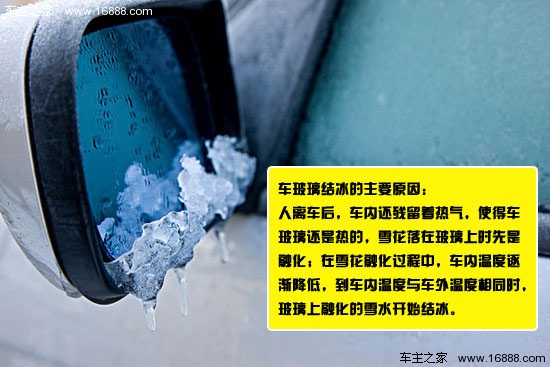
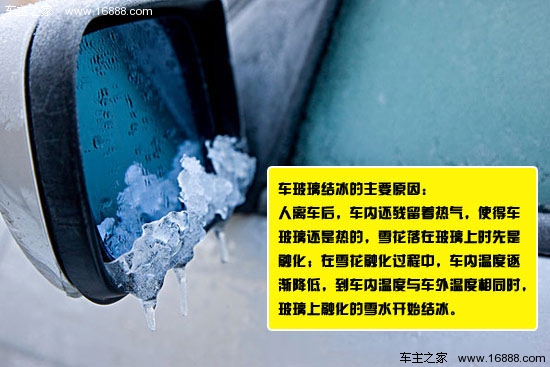
The main reasons why car glass freezes:
After people leave the car, there is still hot air in the car, so the car glass is still hot. When the snowflakes fall on the glass, they melt first. During the melting process of the snowflakes, the temperature inside the car gradually decreases until the temperature inside the car is the same as the temperature outside the car. , the melted snow on the glass began to freeze.
How to remove frost from car glass?
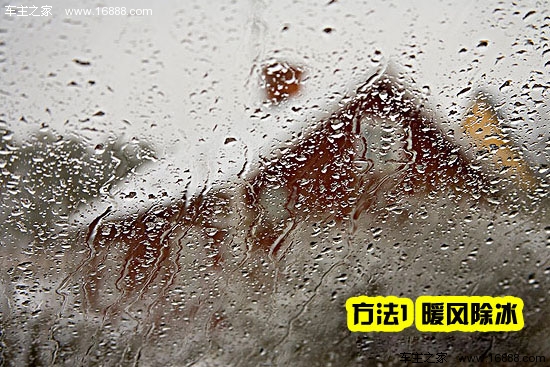
Method 1: Warm air de-icing
The best way is to start the car, and when the engine water temperature rises, blow the windshield with warm air until the ice melts. However, this method also has certain disadvantages, that is, it is time-c
According to the theory of traditional medicine, winter is the time when the essence is hidden. This is where the saying goes, "Three-nine days of nourishment and one winter, there will be no pain in the coming year." Similarly, the maintenance of vehicles in winter is especially important in terms of prevention and heavy maintenance. In winter, the front windshield is easy to freeze when it rains, sleet, and snow, especially after the vehicle is parked overnight. When the temperature is below zero, the front windshield is prone to freezing when there is water. In order to remove these frosts, many cars will spend a lot of time, even causing many car owners to delay their work time. Today we are specifically looking for some solutions for your reference to help us avoid some car troubles.
The main reasons why car glass freezes:
After people leave the car, there is still hot air in the car, so the car glass is still hot. When the snowflakes fall on the glass, they melt first. During the melting process of the snowflakes, the temperature inside the car gradually decreases until the temperature inside the car is the same as the temperature outside the car. , the melted snow on the glass began to freeze.
How to remove frost from car glass?
Method 1: Warm air de-icing
The best way is to start the car, and when the engine water temperature rises, blow the windshield with warm air until the ice melts. However, this method also has certain disadvantages, that is, it is time-consuming, labor-intensive, and fuel-consuming. If it no longer rains or snows after you close the car, you can wipe the water off the windshield to prevent ice from forming on the windshield again. If it's snowing, you can wipe the windshield clean after putting the car away, and then cover the windshield with a layer of newspaper. Then you can tear off the newspaper when you get out of the car, and you don't have to worry about the windshield anymore. It's frozen.
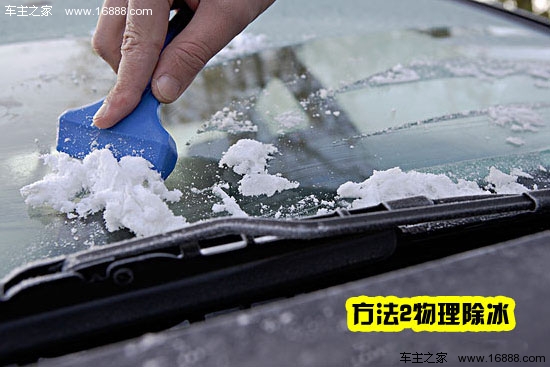
Method 2: Physical de-icing
Car owners can prepare a hard plastic scraper. Of course, they can also use a special glass frost shovel. The glass frost shovel is more convenient, faster, and does not freeze hands. When there is snow and ice on the glass, use a plastic scraper or glass frost shovel to remove it. However, the Geely Global Hawk Gaomi Runfu first-level service station reminds car owners that when removing ice and snow, they must prevent the glass from being scratched. The plastic scraper or glass frost shovel cannot be scraped back and forth, but should be pushed in the same direction.
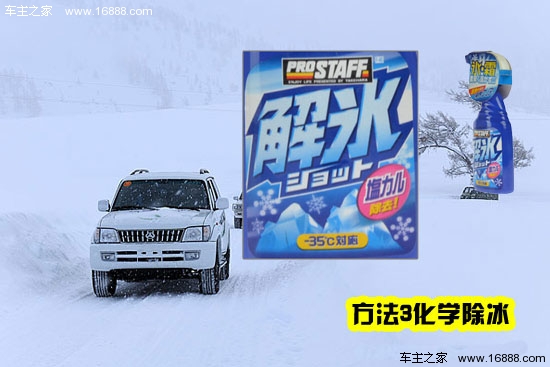
Method 3: Chemical de-icing
There is currently a spray de-icing agent on the market. It is a high-speed anti-icing spray concentrate designed to thaw frozen car windows and wipers. It does not damage the car body surface and can prevent re-icing and staining. It can easily remove ice and snow at low temperatures below minus 30 degrees Celsius. At the same time, it can also prevent the windshield and water accumulation areas from freezing without damaging the car body surface. After cleaning, the glass will be smooth and clean without leaving streaks.
Method 4: Keep the temperature inside and outside the car consistent
After using the car for the day, do not immediately lock the car and leave. Instead, open the door to ventilate the car. Wait until the temperature inside the car drops to about the same as the temperature outside the car (about one minute), and then turn on the power. Use the wiper to brush the snow on the windshield again; at this time, close the door and lock the car. The next morning, as long as the snow is cleared from the windshield, there is no ice under the snow, and you can drive on the road immediately.

Method 5: Cover with anti-icing
It is the windshield companion currently on the market. It is made of national environmentally friendly materials and is resistant to temperatures as low as minus 40 degrees Celsius. It is anti-frost and anti-snow on both sides. You only need to cover it lightly, peel it off in the morning, fold it and put it in the package. Bag, warm the car and you're ready to go. Save time and fuel. It is the best choice for car owners who are not willing to stretch out their hands to fiddle with it on cold days and who love to keep things clean.
In addition, it is also very effective to put car covers on your car on snowy days, or to pad the windows with newspapers or plastic sheets and secure them with tape.

Tips for keeping your car cold-proof in severe winter:
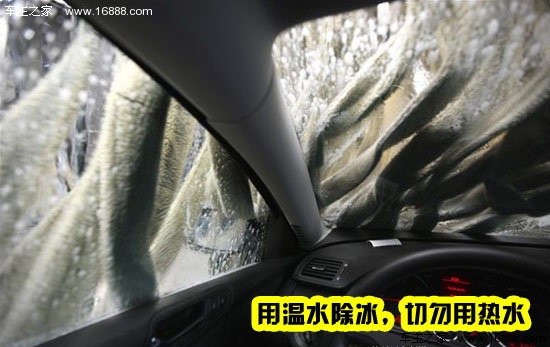
1. Use warm water to remove ice, never hot water.
When car windows freeze in winter, remember not to use hot water to melt ice. Although hot water melts ice much faster than warm water, it is very dangerous and can easily cause the windshield to burst. After all, the temperature difference is too large. Using cold water can also damage your car's paint, and frost may become more severe later. When the ice on the front windshield is not very thick, you can use a rag to rinse it in warm water at 40-50 degrees several times, then gently wipe the windshield, wipe it several times, and then rinse it with warm water at about 40 degrees. Once flushed, it can usually be rinsed clean. If the ice on the windshield is relatively thick, use warm water to melt the ice and at the same time turn on the vehicle. After the water temperature pointer reaches the middle (about 70 or 80 degrees), turn the warm air to the windshield and turn it on to the maximum After a while, the glass will heat up and the ice will melt easily.
In addition, if the car is not driven temporarily, you can drive the car under the sun to bask in the sun when the sun is relatively good, until the ice melts. Although this method is time-consuming, it is also more economical and trouble-free.
2. Warm and cold air eliminates window fog
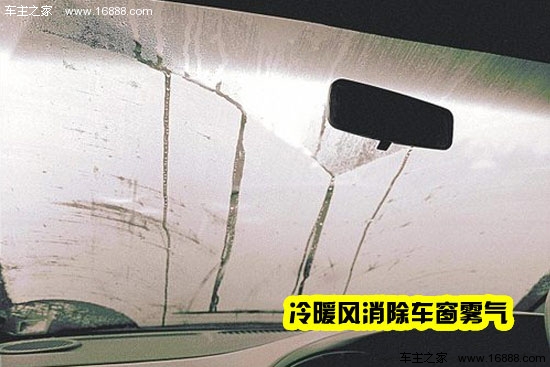
When driving in winter, due to the large temperature difference between the inside and outside, it is easy for fog to form in the car, affecting the driver's vision. There are two methods to eliminate fog, one is cold air defogging and the other is warm air defogging. Both methods can help us eliminate fog on the glass. Of course, we need to adjust the adjustment knob of the air outlet to the windshield air outlet position or press the defogging button.
Due to the low temperature in winter, the cold air defogging method makes the interior comfort of the car poor and is rarely used. The air that enters the car through external circulation and the warm air blown out after being preheated by the engine can both remove fog and provide heating. In addition, there is no need to start the compressor, so fuel consumption is naturally reduced, making it easier for everyone to accept. However, on rainy days in winter, due to the relatively high humidity in the air, the effect of using heating to defogging is not obvious, and sometimes fogging occurs repeatedly. The last solution at this time is to use air conditioning for heating. Because in addition to regulating temperature, the most important function of air conditioners is dehumidification.
3. Avoid using tap water as glass cleaning fluid.
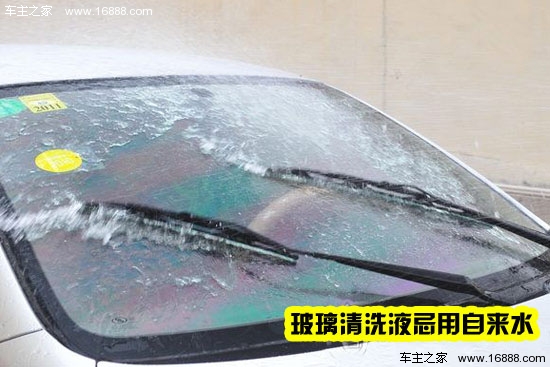
Car owners need to pay attention when choosing glass cleaning fluid and lubricating oil in winter. Do not use tap water as glass cleaning fluid in winter. Once the temperature is too low, pure water and tap water will freeze, and sometimes the containers will burst. Therefore, special glass cleaning fluid must be used in winter.
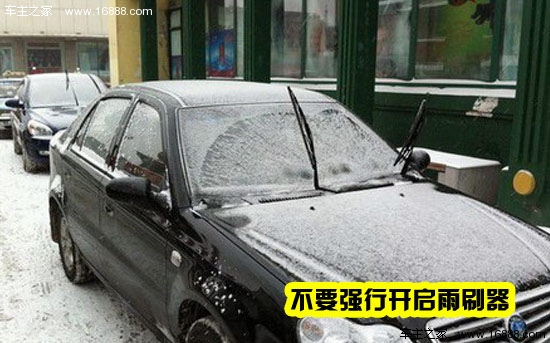
4. Do not force the wipers to turn on.
In winter, the wipers are easily frozen on the windshield in snowy weather. It is recommended to stand the wipers up when parking. In case of freezing, do not force start, otherwise the wiper blade and motor will be damaged. When de-icing your car, be sure to clear the windshield of water or snow in time in winter. After all, freezing and defrosting the windshield takes time. If you only need to turn on the air conditioner to hot air and adjust the blowing mode to "windshield", it will be resolved quickly.
5. Let the engine warm up for 1 minute before traveling.
Since the vehicle is parked outdoors overnight, the engine oil will slowly flow into the oil pan. Therefore, after the vehicle is warmed up, the engine oil cannot be immediately transported through the oil pump to the piston that needs lubrication most. Therefore, preheating the engine is Necessary. Allowing the engine to warm up for about 1 minute before traveling in winter can lubricate the engine. At this time, the engine water temperature is not high. If the heater is turned on at this time, the air conditioning system will often automatically intervene in order to reach the required temperature, which will lead to an increase in fuel consumption.

6. Change winter engine oil promptly
Currently, there are two types of engine oil on the market: single-grade and multi-grade. Single-grade engine oil has a narrow operating temperature range, and one viscosity grade is only suitable for some seasons of the year and cannot be used all year round. Multi-grade oil can be used in winter and summer. If your car uses "single-grade" engine oil, you should promptly replace it with low-temperature engine oil for winter use.

Related recommended reading:How to correctly choose and understand antifreeze in winter? Notice to car owners http://news.16888.com/a/2013/1217/311912.htmlWinter car strategy: It is recommended to replace special tires when the temperature is below 7℃ http://news.16888.com/a/2013/1218/312225.html