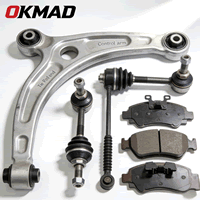
Where to apply and release lubricating oil
Proper lubrication maintenance is essential for the efficient and effective operation of any machine. Lubricating oil plays a critical role in reducing friction and wear between moving parts, preventing rust and corrosion, and dissipating heat. In this article, we will provide you with some tips on how to apply and release lubricating oil to improve machine performance.
I. Understanding the Importance of Lubricating Oil
Lubricating oil is a vital component in ensuring your machine runs smoothly. Without proper lubrication, the machine\'s moving parts will grind against each other, causing friction and wear. This friction can generate heat, which can damage the machine\'s internal components. Lubricating oil helps to reduce friction between the moving parts, thus preventing wear and tear. Additionally, it helps to dissipate heat, preventing the machine from overheating.
One of the essential things to keep in mind is that not all lubricating oils are created equal. Different machines require different types of lubricating oils. For instance, a high-performance engine may require a synthetic lubricating oil, while a standard engine may require a mineral-based oil. It\'s crucial to use the right type of lubricating oil for your machine to ensure optimal performance and longevity.
II. How to Apply Lubricating Oil
1. Identify the Lubrication Points
The first step in applying lubricating oil is to identify the machine\'s lubrication points. Lubrication points are the areas where the machine\'s moving parts come into contact with each other. These areas require regular lubrication to ensure that the machine runs smoothly.
2. Clean the Lubrication Points
Before applying lubricating oil, it\'s essential to clean the lubrication points thoroughly. Dirt and debris can accumulate on the lubrication points, preventing the lubricating oil from reaching the machine\'s movin
Where to apply and release lubricating oil
Proper lubrication maintenance is essential for the efficient and effective operation of any machine. Lubricating oil plays a critical role in reducing friction and wear between moving parts, preventing rust and corrosion, and dissipating heat. In this article, we will provide you with some tips on how to apply and release lubricating oil to improve machine performance.
I. Understanding the Importance of Lubricating Oil
Lubricating oil is a vital component in ensuring your machine runs smoothly. Without proper lubrication, the machine\'s moving parts will grind against each other, causing friction and wear. This friction can generate heat, which can damage the machine\'s internal components. Lubricating oil helps to reduce friction between the moving parts, thus preventing wear and tear. Additionally, it helps to dissipate heat, preventing the machine from overheating.
One of the essential things to keep in mind is that not all lubricating oils are created equal. Different machines require different types of lubricating oils. For instance, a high-performance engine may require a synthetic lubricating oil, while a standard engine may require a mineral-based oil. It\'s crucial to use the right type of lubricating oil for your machine to ensure optimal performance and longevity.
II. How to Apply Lubricating Oil
1. Identify the Lubrication Points
The first step in applying lubricating oil is to identify the machine\'s lubrication points. Lubrication points are the areas where the machine\'s moving parts come into contact with each other. These areas require regular lubrication to ensure that the machine runs smoothly.
2. Clean the Lubrication Points
Before applying lubricating oil, it\'s essential to clean the lubrication points thoroughly. Dirt and debris can accumulate on the lubrication points, preventing the lubricating oil from reaching the machine\'s moving parts. Use a clean cloth or a brush to remove any dirt or debris from the lubrication points.
3. Apply the Lubricating Oil
Once you\'ve identified the lubrication points and cleaned them, it\'s time to apply the lubricating oil. Use a clean oil can or a grease gun to apply the lubricating oil. Be careful not to over-lubricate the machine, as this can lead to excess oil buildup, causing the machine\'s internal components to become clogged.
III. How to Release Lubricating Oil
1. Use the Right Oil Release Method
There are different methods of releasing lubricating oil, depending on the machine type and the lubrication point. For instance, a machine with a centralized lubrication system may require a different oil release method than a machine with a manual lubrication system. It\'s crucial to use the right oil release method to ensure that the lubricating oil reaches the machine\'s moving parts.
2. Check for Oil Leaks
After releasing the lubricating oil, it\'s essential to check for oil leaks. Oil leaks can occur due to damaged seals or gaskets, leading to oil loss and reduced machine performance. Check for oil leaks regularly and repair any damaged seals or gaskets immediately to prevent oil loss.
3. Schedule Regular Maintenance
Regular maintenance is essential for ensuring proper lubrication maintenance. Schedule regular maintenance checks to inspect the machine\'s lubrication system, identify any potential issues, and address them promptly. Regular maintenance checks can help to prevent machine breakdowns, reducing repair costs and downtime.
Proper lubrication maintenance is crucial for ensuring your machine runs smoothly and efficiently. Use the tips outlined in this article to apply and release lubricating oil effectively, improve machine performance, and prolong your machine\'s lifespan. Remember to use the right type of lubricating oil, identify the lubrication points, and schedule regular maintenance checks to keep your machine running at peak performance.
best practices and tips for proper lubrication
Machines are an integral part of our lives. From the cars we drive to the machines in our factories, they make our lives easier and more efficient. However, machines require proper maintenance to ensure they perform optimally. One of the most important aspects of machine maintenance is lubrication. In this article, we will discuss best practices and tips for proper lubrication to ensure optimal machine performance.
Why Proper Lubrication is Important
Proper lubrication is critical to the performance and lifespan of machines. It reduces friction between moving parts, which can cause wear and tear, heat, and damage to the machine. Lubrication also helps to prevent rust and corrosion, which can lead to premature failure of the machine. In addition, proper lubrication can improve energy efficiency and reduce operating costs.
Best Practices for Lubrication
1. Select the Right Lubricant
Choosing the right lubricant is essential to ensure optimal machine performance. Lubricants come in different types, including synthetic, mineral, and vegetable-based oils. Each type of lubricant has its own properties and is suitable for different machines and applications. Synthetic lubricants, for example, are ideal for high-temperature applications, while mineral-based oils are better suited for low-temperature applications.
2. Follow the Manufacturer\'s Recommendations
The manufacturer\'s recommendations should be followed when selecting a lubricant and determining the appropriate lubrication schedule. The manufacturer knows the machine best and can provide specific recommendations for lubrication intervals and types of lubricants. Following their recommendations can help to ensure the machine operates optimally and prolong its lifespan.
3. Use the Right Amount of Lubricant
Using the right amount of lubricant is important for optimal machine performance. Over-lubrication can cause excess heat, which can lead to premature wear and tear, while under-lubrication can cause friction and damage to the machine. The manufacturer\'s recommendations should be followed to determine the appropriate amount of lubricant to use.
4. Clean the Machine Before Lubricating
Cleaning the machine before lubricating is important to remove any debris or contaminants that can affect the performance of the lubricant. Dirt, dust, and other contaminants can cause the lubricant to degrade and reduce its effectiveness. Cleaning the machine before lubricating can help to ensure the lubricant performs optimally.
Tips for Proper Lubrication
1. Monitor Lubricant Levels
Monitoring lubricant levels is important to ensure the machine is properly lubricated. Low levels of lubricant can cause friction and damage to the machine, while high levels can cause excess heat and premature wear and tear. Regularly monitoring lubricant levels can help to ensure the machine operates optimally.
2. Inspect the Machine for Leaks
Inspecting the machine for leaks is important to ensure the lubricant is not leaking out of the machine. Leaks can cause low levels of lubricant, which can lead to friction and damage to the machine. Inspecting the machine for leaks can help to ensure the lubricant is contained within the machine and performing optimally.
3. Use the Right Application Method
Using the right application method is important to ensure the lubricant is applied properly. Different machines and applications require different methods of lubrication, including spray, brush, or drip. Using the right application method can help to ensure the lubricant is applied evenly and effectively.
Proper lubrication is essential for optimal machine performance. Choosing the right lubricant, following the manufacturer\'s recommendations, using the right amount of lubricant, cleaning the machine before lubricating, monitoring lubricant levels, inspecting the machine for leaks, and using the right application method can all help to ensure the machine operates optimally and prolong its lifespan. By following these best practices and tips, you can ensure your machines perform at their best.
Hey guys, have you ever wondered where to apply and release lubricating oil? Well, let me tell you, it\'s not as simple as just pouring it on. Applying lubricating oil properly is crucial for the longevity and efficiency of your machinery.
Firstly, make sure to apply the oil to the designated areas only. Over-lubrication can cause just as much damage as under-lubrication. Secondly, use the appropriate amount of oil for each application. Too much or too little can both cause problems.
Proper lubrication can increase the lifespan of your machinery, reduce downtime, and save you money in the long run. So don\'t overlook this important maintenance task!