
NISSAN ALTIMA MAXIMA Stabilizer Link OEM:56261-8J000 CLN-12 K90684
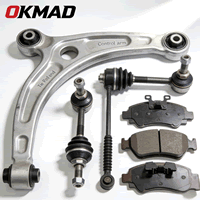
Product Overview
What is an Interrogative Sentence Structure? An interrogative sentence structure is a type of sentence that asks a question. It usually starts with a verb or auxiliary verb, followed by the subject and then the rest of t
Key Features
- Meet or exceed OEM requirements
- 2 years warranty
- Strict quality control
- Complete testing from material to product
Quality Assurance
What is an Interrogative Sentence Structure?
An interrogative sentence structure is a type of sentence that asks a question. It usually starts with a verb or auxiliary verb, followed by the subject and then the rest of the sentence. This type of sentence structure is commonly used in everyday conversation, as well as in written communication.
Why is Interrogative Sentence Structure Important?
The use of interrogative sentence structure is important because it allows for effective communication between individuals. By asking questions, we can gain information and clarify any misunderstandings that may have occurred. Additionally, this type of sentence structure can be used to engage others in conversation and encourage them to participate in discussions.
How to Identify Interrogative Sentences?
- Interrogative sentences usually start with verbs such as \"do\", \"does\", \"is\", \"are\", \"will\", \"can\" or auxiliary verbs like \"am\", \"is\" or \"are\".
- The subject comes after the verb or auxiliary verb.
- The rest of the sentence follows after the subject.
- A question mark at the end of the sentence indicates that it is an interrogative sentence.
Examples of Interrogative Sentences:
- \"Do you like pizza?\"
- \"Is she coming to the party?\"
- \"Can I borrow your pen?\"
- \"Are you feeling okay today?\"
, understanding how to use interrogative sentences correctly can greatly improve communication skills. By asking questions and seeking clarification, we can avoid misunderstandings and effectively convey our thoughts and ideas to others. Whether in spoken o
| Material | High-tensile steel / forged aluminum |
|---|---|
| Finish | E-coat / powder paint / zinc plating |
| Standards | IATF / ISO-based process control |
| Warranty | 24 months |
| MOQ | 50-100 pcs per reference |
| Lead Time | 25-35 days after PO |
Compatible Brands:
Toyota, Honda, Nissan, BMW, Mercedes-Benz, Ford, Hyundai, Kia, Volkswagen, Land Rover, and more...
Request a Quote
Just for B2B inquiries, no retail please. We'll get back to you within 24 hours.
Related Products
