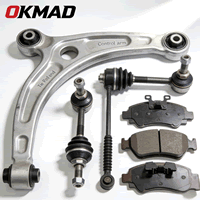
What are Stabilizer Links and Why are They Important?
Stabilizer links, also known as sway bar links, are essential components of a vehicle\'s suspension system. They connect the sway bar to the suspension on both sides of the vehicle, helping to stabilize it during turns and prevent excessive body roll.
The Role of Stabilizer Links in Vehicle Suspension
- Stabilizer links connect the sway bar to the suspension on both sides of the vehicle, transferring forces from one side to another during turns.
- They help maintain stability by keeping both sides level, reducing body roll and improving handling.
- Without stabilizer links, a vehicle would be more prone to oversteer or understeer during turns, potentially causing loss of control.
Symptoms of Bad Stabilizer Links
- Noise (clunking, knocking, rattling) while driving over bumps or turning corners
- Metallic sound going over bumps
- Excessive body roll during turns
- Difficulty steering or sluggish turning response
Checking for Damaged Stabilizer Links
If you experience any of these symptoms, it may be time to check your stabilizer links for damage. Here\'s how:
- Jack up your vehicle and secure it with jack stands or blocks so that the suspension is supporting its weight.
- Locate the sway bar and move it up and down while observing the end links and bushings for signs of wear or damage.
The Cost of Replacing Stabilizer Links
The cost for replacing stabilizer links can vary depending on whether you choose OEM or
What are Stabilizer Links and Why are They Important?
Stabilizer links, also known as sway bar links, are essential components of a vehicle\'s suspension system. They connect the sway bar to the suspension on both sides of the vehicle, helping to stabilize it during turns and prevent excessive body roll.
The Role of Stabilizer Links in Vehicle Suspension
- Stabilizer links connect the sway bar to the suspension on both sides of the vehicle, transferring forces from one side to another during turns.
- They help maintain stability by keeping both sides level, reducing body roll and improving handling.
- Without stabilizer links, a vehicle would be more prone to oversteer or understeer during turns, potentially causing loss of control.
Symptoms of Bad Stabilizer Links
- Noise (clunking, knocking, rattling) while driving over bumps or turning corners
- Metallic sound going over bumps
- Excessive body roll during turns
- Difficulty steering or sluggish turning response
Checking for Damaged Stabilizer Links
If you experience any of these symptoms, it may be time to check your stabilizer links for damage. Here\'s how:
- Jack up your vehicle and secure it with jack stands or blocks so that the suspension is supporting its weight.
- Locate the sway bar and move it up and down while observing the end links and bushings for signs of wear or damage.
The Cost of Replacing Stabilizer Links
The cost for replacing stabilizer links can vary depending on whether you choose OEM or aftermarket parts. Replacement sway bar links can range from $20-$100, while sway bar bushings typically cost between $10-$30. Labor costs are usually the largest expense, averaging around $70-$100 per hour.
The Benefits of Upgrading to Polyurethane Stabilizer Links and Bushings
Replacing your worn-out stabilizer links with polyurethane links and bushings is a simple upgrade that can make a big difference in how your vehicle handles corners. Polyurethane is more durable than rubber, providing better resistance to wear and tear over time. It also offers improved performance by reducing body roll and improving handling during turns.
If you\'re looking for reliable brands of stabilizer links and bushings, we recommend checking out options like Moog, TRW Automotive, or Mevotech.
What are Stabilizer Links and Why are They Important?
Stabilizer links, also known as sway bar links, are essential components of a vehicle\'s suspension system. They connect the sway bar to the suspension on both sides of the vehicle, helping to stabilize it during turns and prevent excessive body roll.
The Role of Stabilizer Links in Vehicle Suspension
- Stabilizer links connect the sway bar to the suspension on both sides of the vehicle, transferring forces from one side to another during turns.
- They help maintain stability by keeping both sides level, reducing body roll and improving handling.
- Without stabilizer links, a vehicle would be more prone to oversteer or understeer during turns, potentially causing loss of control.
Symptoms of Bad Stabilizer Links
- Noise (clunking, knocking, rattling) while driving over bumps or turning corners
- Metallic sound going over bumps
- Excessive body roll during turns
- Difficulty steering or sluggish turning response
Checking for Damaged Stabilizer Links
If you experience any of these symptoms, it may be time to check your stabilizer links for damage. Here\'s how:
- Jack up your vehicle and secure it with jack stands or blocks so that the suspension is supporting its weight.
- Locate the sway bar and move it up and down while observing the end links and bushings for signs of wear or damage.
The Cost of Replacing Stabilizer Links
The cost for replacing stabilizer links can vary depending on whether you choose OEM or aftermarket parts. Replacement sway bar links can range from $20-$100, while sway bar bushings typically cost between $10-$30. Labor costs are usually the largest expense, averaging around $70-$100 per hour.
The Benefits of Upgrading to Polyurethane Stabilizer Links and Bushings
Replacing your worn-out stabilizer links with polyurethane links and bushings is a simple upgrade that can make a big difference in how your vehicle handles corners. Polyurethane is more durable than rubber, providing better resistance to wear and tear over time. It also offers improved performance by reducing body roll and improving handling during turns.
If you\'re looking for reliable brands of stabilizer links and bushings, we recommend checking out options like Moog, TRW Automotive, or Mevotech.