
Dealing with fake oil during DIY oil change ?Tips for identifying and avoiding fake oil
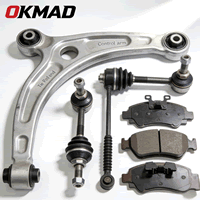
Product Overview
Dealing with fake oil during DIY oil change Changing oil in your vehicle is one of the most important things you can do to maintain its health. However, with the rise of fake oil in the market, it's important to kno
Key Features
- Meet or exceed OEM requirements
- 2 years warranty
- Strict quality control
- Complete testing from material to product
Quality Assurance
Dealing with fake oil during DIY oil change
Changing oil in your vehicle is one of the most important things you can do to maintain its health. However, with the rise of fake oil in the market, it\'s important to know how to identify and avoid it. In this article, we\'ll provide you with tips on how to ensure quality oil during your DIY oil change, and protect your engine from damage.
The Risks of Fake Oil
Fake oil can cause serious damage to your engine, and may even void your warranty. It can contain harmful chemicals and contaminants that can cause your engine to malfunction. In addition, fake oil may not provide the necessary lubrication and protection for your engine, which can lead to premature wear and tear.
Identifying Fake Oil
One of the easiest ways to identify fake oil is by checking the packaging. Look for misspellings or poorly printed labels, as these are often signs of counterfeit products. In addition, check for a seal of approval from a reputable organization, such as the American Petroleum Institute (API) or the Society of Automotive Engineers (SAE).
Checking the Oil
Before using any oil, it\'s important to check it for signs of contamination. Pour a small amount onto a white paper towel and look for any debris or discoloration. If the oil appears cloudy or has a milky texture, it may contain water or other contaminants.
Choosing Quality Oil
When choosing oil for your vehicle, it\'s important to select a high-quality product that meets the manufacturer\'s specifications. Look for oil that has been approved by the API or SAE, as these organizations have strict standards for quality and performance.
Dealing with fake oil during DIY oil change
Changing oil in your vehicle is one of the most important things you can do to maintain its health. However, with the rise of fake oil in the market, it\'s important to know how to identify and avoid it. In this article, we\'ll provide you with tips on how to ensure quality oil during your DIY oil change, and protect your engine from damage.
The Risks of Fake Oil
Fake oil can cause serious damage to your engine, and may even void your warranty. It can contain harmful chemicals and contaminants that can cause your engine to malfunction. In addition, fake oil may not provide the necessary lubrication and protection for your engine, which can lead to premature wear and tear.
Identifying Fake Oil
One of the easiest ways to identify fake oil is by checking the packaging. Look for misspellings or poorly printed labels, as these are often signs of counterfeit products. In addition, check for a seal of approval from a reputable organization, such as the American Petroleum Institute (API) or the Society of Automotive Engineers (SAE).
Checking the Oil
Before using any oil, it\'s important to check it for signs of contamination. Pour a small amount onto a white paper towel and look for any debris or discoloration. If the oil appears cloudy or has a milky texture, it may contain water or other contaminants.
Choosing Quality Oil
When choosing oil for your vehicle, it\'s important to select a high-quality product that meets the manufacturer\'s specifications. Look for oil that has been approved by the API or SAE, as these organizations have strict standards for quality and performance.
Viscosity
Viscosity is an important factor to consider when choosing oil for your vehicle. It refers to the oil\'s resistance to flow, and is typically measured using the Society of Automotive Engineers (SAE) viscosity rating system. Check your vehicle\'s owner\'s manual to determine the recommended viscosity for your engine.
Additives
Many oils contain additives that can improve performance and protect your engine. Look for oils that contain detergents and dispersants, which can help keep your engine clean, as well as anti-wear additives, which can protect against wear and tear.
Changing your own oil can save you time and money, but it\'s important to ensure that you\'re using high-quality oil that will protect your engine. By following these tips for identifying and avoiding fake oil, and choosing a quality product that meets the manufacturer\'s specifications, you can help ensure the longevity and health of your vehicle. Remember, a little prevention can go a long way in avoiding costly repairs down the road.
Tips for identifying and avoiding fake oil
Cooking oil is a staple ingredient in every kitchen. It is used for frying, sautéing, baking, and more. However, with the rise of fake oil products in the market, it has become increasingly difficult to identify genuine cooking oil. Fake oil not only affects the taste of your food but can also be harmful to your health. In this article, we will provide expert tips on how to distinguish and prevent fake oil, ensuring that you are using only genuine cooking oil in your kitchen.
What is Fake Oil?
Fake oil refers to cooking oil that has been adulterated with other substances. These substances can include recycled oil, low-quality oil, or even hazardous chemicals. Fake oil is often sold at a cheaper price than genuine cooking oil, making it an attractive option for those on a budget. However, consuming fake oil can lead to serious health problems such as cancer, heart disease, and stroke.
How to Identify Genuine Cooking Oil
1. Check the Label
The first step in identifying genuine cooking oil is to check the label. Look for information such as the brand name, type of oil, and the source of the oil. Genuine cooking oil will have clear and accurate labeling, while fake oil may have vague or misleading labeling.
2. Smell the Oil
Genuine cooking oil should have a mild and pleasant smell. If the oil has a strong or rancid smell, it may be fake. Additionally, if the oil smells like chemicals or has a burnt odor, it may have been adulterated with hazardous substances.
3. Check the Color
Different types of cooking oil have different colors, but genuine cooking oil should have a consistent color. If the oil has a cloudy or murky appearance, it may be fake. Additionally, if the oil has a bright or unnaturally vibrant color, it may have been artificially colored to hide its low quality.
4. Conduct a Heat Test
Genuine cooking oil should have a high smoke point, meaning it can withstand high temperatures without burning. To conduct a heat test, heat a small amount of oil in a pan and observe its behavior. If the oil starts smoking or burning quickly, it may be fake.
How to Prevent Fake Oil
1. Purchase from Reputable Brands
To ensure that you are purchasing genuine cooking oil, buy from reputable brands. These brands have a reputation to uphold and are more likely to produce high-quality products. Additionally, they are more likely to have strict quality control measures in place to prevent the sale of fake oil.
2. Purchase from Trusted Retailers
It is also important to purchase cooking oil from trusted retailers. Avoid buying oil from street vendors or unknown sources, as they are more likely to sell fake oil. Instead, purchase from established supermarkets or online retailers that have a good reputation for selling genuine products.
3. Store Oil Properly
Proper storage of cooking oil can help prevent it from becoming rancid or contaminated. Store oil in a cool, dry place away from sunlight and heat sources. Additionally, ensure that the oil is stored in a tightly sealed container to prevent air and moisture from entering.
Fake oil is a serious problem that can have detrimental effects on your health. By following the expert tips provided in this article, you can easily distinguish and prevent fake oil, ensuring that you are using only genuine cooking oil in your kitchen. Remember to always check the label, smell the oil, check the color, and conduct a heat test to identify genuine cooking oil. Additionally, purchase from reputable brands and trusted retailers and store oil properly to prevent contamination.
你们知道吗?在DIY换油的时候可能会遇到假油,这可是个大问题啊所以
| Material | High-tensile steel / forged aluminum |
|---|---|
| Finish | E-coat / powder paint / zinc plating |
| Standards | IATF / ISO-based process control |
| Warranty | 24 months |
| MOQ | 50-100 pcs per reference |
| Lead Time | 25-35 days after PO |
Compatible Brands:
Toyota, Honda, Nissan, BMW, Mercedes-Benz, Ford, Hyundai, Kia, Volkswagen, Land Rover, and more...
Request a Quote
Just for B2B inquiries, no retail please. We'll get back to you within 24 hours.
Related Products
