The impact of camber angle on vehicle performance
When it comes to improving the performance of your vehicle, there are many factors to consider. One of the most important and often overlooked factors is the camber angle of your wheels. Camber angle refers to the angle of the wheels relative to the ground when viewed from the front or rear of the vehicle. In this article, we will explore the benefits of adjusting camber angle for better handling and traction.
What is Camber Angle?
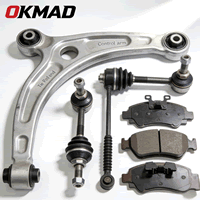
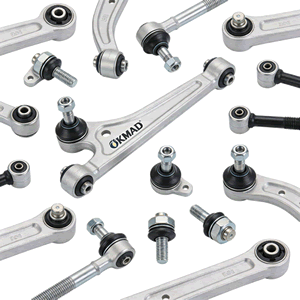
Camber angle is the angle of the wheels relative to the ground when viewed from the front or rear of the vehicle. A wheel with a positive camber angle tilts outward at the top, while a wheel with a negative camber angle tilts inward at the top. The camber angle of a vehicle can be adjusted by altering the position of the suspension components that connect the wheel to the vehicle.
Benefits of Adjusting Camber Angle
1. Better Handling
Adjusting the camber angle of your wheels can improve the handling of your vehicle. When the wheels have a negative camber angle, the vehicle will have better cornering ability. This is because the negative camber angle allows the wheels to maintain better contact with the road during cornering, which improves traction and reduces the risk of the vehicle sliding out of control.
2. Improved Traction
Another benefit of adjusting the camber angle of your wheels is improved traction. When the wheels have a negative camber angle, they will have more contact with the road surface. This increased contact patch allows the tires to grip the road better, which improves traction and reduces the risk of the vehicle skidding or sliding during acceleration or braking.
3. Reduced Tire Wear
Adjusting the camber angle of your wheels can also reduce tire wear. When the wheels have a positive camber angle, the outside edge of the tire will wear more quickly than the inside edge. This is because the outside
The impact of camber angle on vehicle performance
When it comes to improving the performance of your vehicle, there are many factors to consider. One of the most important and often overlooked factors is the camber angle of your wheels. Camber angle refers to the angle of the wheels relative to the ground when viewed from the front or rear of the vehicle. In this article, we will explore the benefits of adjusting camber angle for better handling and traction.
What is Camber Angle?
Camber angle is the angle of the wheels relative to the ground when viewed from the front or rear of the vehicle. A wheel with a positive camber angle tilts outward at the top, while a wheel with a negative camber angle tilts inward at the top. The camber angle of a vehicle can be adjusted by altering the position of the suspension components that connect the wheel to the vehicle.
Benefits of Adjusting Camber Angle
1. Better Handling
Adjusting the camber angle of your wheels can improve the handling of your vehicle. When the wheels have a negative camber angle, the vehicle will have better cornering ability. This is because the negative camber angle allows the wheels to maintain better contact with the road during cornering, which improves traction and reduces the risk of the vehicle sliding out of control.
2. Improved Traction
Another benefit of adjusting the camber angle of your wheels is improved traction. When the wheels have a negative camber angle, they will have more contact with the road surface. This increased contact patch allows the tires to grip the road better, which improves traction and reduces the risk of the vehicle skidding or sliding during acceleration or braking.
3. Reduced Tire Wear
Adjusting the camber angle of your wheels can also reduce tire wear. When the wheels have a positive camber angle, the outside edge of the tire will wear more quickly than the inside edge. This is because the outside edge of the tire is under more stress during cornering. By adjusting the camber angle to a more negative angle, the tire wear will be more even across the entire surface of the tire.
How to Adjust Camber Angle
Adjusting the camber angle of your wheels is a job best left to a professional mechanic. However, it is important to understand the basic process of adjusting camber angle. The mechanic will need to loosen the suspension components that connect the wheel to the vehicle and adjust the position of the wheel until the desired camber angle is achieved. Once the desired camber angle is achieved, the suspension components will be tightened to hold the wheel in place.
adjusting the camber angle of your wheels can have a significant impact on the handling and traction of your vehicle. By improving the contact patch of the tires and reducing the risk of skidding or sliding, adjusting camber angle can make your vehicle safer and more enjoyable to drive. If you are interested in improving the performance of your vehicle, consider having the camber angle of your wheels adjusted by a professional mechanic.
Optimizing camber angle for better handling and tire wear
The Basics of Camber Angle
Camber angle refers to the angle between the vertical axis of a wheel and the vertical plane of the vehicle when viewed from the front or rear. A wheel with zero camber angle is perpendicular to the ground, while positive camber means the top of the wheel tilts outward and negative camber means the top of the wheel tilts inward.
Camber angle affects how a tire contacts the road and how the vehicle handles. Too much positive camber can cause excessive wear on the outer edge of the tire, while too much negative camber can cause excessive wear on the inner edge. Additionally, camber angle affects how a vehicle handles, with more negative camber typically resulting in better cornering grip and less understeer.
Optimizing Camber Angle for Handling and Tire Wear
To optimize camber angle for handling and tire wear, it is important to consider the intended use of the vehicle. For a street-driven car, a slightly negative camber angle can help with cornering grip while still maintaining even tire wear. For a track-driven car, a more aggressive negative camber angle may be necessary to maximize cornering grip, but this will result in more uneven tire wear.
It is also important to consider the suspension setup of the vehicle. A well-designed suspension system will allow for adjustments to camber angle, but if the suspension is not adjustable, it may be necessary to install aftermarket components to achieve the desired camber angle.
Adjusting Camber Angle
Adjusting camber angle can be done in a few ways, depending on the vehicle\'s suspension setup. For vehicles with adjustable suspension, camber angle can be adjusted by changing the position of the upper or lower control arms, or by using adjustable camber plates.
For vehicles without adjustable suspension, aftermarket components such as camber bolts or adjustable control arms can be installed to allow for camber angle adjustment. It is important to have a professional alignment performed after any changes to the suspension setup to ensure proper alignment and even tire wear.
Tips for Longevity
While optimizing camber angle can improve handling and tire wear, it is important to also consider other factors that can affect tire longevity. Proper tire pressure, regular tire rotations, and avoiding aggressive driving habits can all help extend the life of your tires.
Additionally, it is important to regularly inspect your suspension components for wear or damage. Worn or damaged components can affect camber angle and lead to uneven tire wear.
Optimizing camber angle can be a valuable tool for improving handling and tire wear, but it is important to consider the intended use of the vehicle and the suspension setup before making any adjustments. Regular maintenance and inspections can also help extend the life of your tires and suspension components.
Hey guys, have you ever wondered how camber angle affects your car\'s performance? Well, it turns out that optimizing your camber angle can actually improve your handling and tire wear. This is because camber angle refers to the tilt of your wheels relative to the ground, and it can greatly affect how your car grips the road. By adjusting your camber angle to suit your driving style and road conditions, you can achieve better cornering and stability, while also reducing uneven tire wear. So next time you\'re thinking about upgrading your car\'s suspension, make sure to consider optimizing your camber angle for better performance. It could make all the difference on the road!