Changing Synthetic Oil for Rarely Driven Cars ?Recommended Frequency for Synthetic Oil Changes
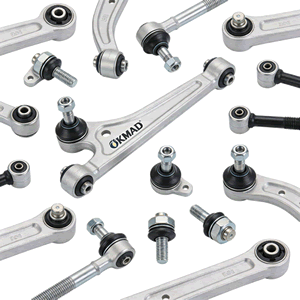
Product Overview
Changing Synthetic Oil for Rarely Driven Cars The Importance of Synthetic Oil for Rarely Driven CarsSynthetic oil is a popular choice for car owners who want to protect their engines and extend the life of their vehi
Key Features
- Meet or exceed OEM requirements
- 2 years warranty
- Strict quality control
- Complete testing from material to product
Quality Assurance
Changing Synthetic Oil for Rarely Driven Cars
The Importance of Synthetic Oil for Rarely Driven Cars
Synthetic oil is a popular choice for car owners who want to protect their engines and extend the life of their vehicles. For those who drive their cars frequently, the recommended interval for oil changes is approximately every 5,000 miles. However, for those who have rarely driven cars, the question of how often to change the synthetic oil becomes more complicated.
When a car is driven infrequently, the oil does not get a chance to circulate through the engine and lubricate its parts. This can lead to oil breakdown and engine damage over time. Synthetic oil, however, has a longer lifespan than conventional oil and can withstand more extreme temperatures. It is also less prone to breaking down, making it an ideal choice for rarely driven cars.
Factors to Consider When Changing Synthetic Oil for Rarely Driven Cars
While synthetic oil can last longer than conventional oil, it still needs to be changed periodically to maintain engine health. The frequency of oil changes for rarely driven cars depends on several factors, including:
Time Since Last Oil Change
Even if a car has not been driven much, the oil can still degrade over time. Experts recommend changing the oil in a rarely driven car at least once a year to prevent oil breakdown and ensure engine health.
Climate and Temperature
Extreme temperatures can cause synthetic oil to break down more quickly. If a car is stored in a garage or other location that is not climate-controlled, the oil may need to be changed more frequently to prevent damage to the engine.
Changing Synthetic Oil for Rarely Driven Cars
The Importance of Synthetic Oil for Rarely Driven Cars
Synthetic oil is a popular choice for car owners who want to protect their engines and extend the life of their vehicles. For those who drive their cars frequently, the recommended interval for oil changes is approximately every 5,000 miles. However, for those who have rarely driven cars, the question of how often to change the synthetic oil becomes more complicated.
When a car is driven infrequently, the oil does not get a chance to circulate through the engine and lubricate its parts. This can lead to oil breakdown and engine damage over time. Synthetic oil, however, has a longer lifespan than conventional oil and can withstand more extreme temperatures. It is also less prone to breaking down, making it an ideal choice for rarely driven cars.
Factors to Consider When Changing Synthetic Oil for Rarely Driven Cars
While synthetic oil can last longer than conventional oil, it still needs to be changed periodically to maintain engine health. The frequency of oil changes for rarely driven cars depends on several factors, including:
Time Since Last Oil Change
Even if a car has not been driven much, the oil can still degrade over time. Experts recommend changing the oil in a rarely driven car at least once a year to prevent oil breakdown and ensure engine health.
Climate and Temperature
Extreme temperatures can cause synthetic oil to break down more quickly. If a car is stored in a garage or other location that is not climate-controlled, the oil may need to be changed more frequently to prevent damage to the engine.
Type of Driving
If a rarely driven car is used for short trips or stop-and-go driving, the oil may need to be changed more frequently. This is because the engine does not have a chance to warm up fully, which can lead to oil breakdown and engine damage over time.
Tips for Maintaining Engine Health in Rarely Driven Cars
In addition to changing the synthetic oil periodically, there are several other steps car owners can take to maintain engine health and avoid oil breakdown in rarely driven cars.
Start the Engine Regularly
Starting the engine periodically can help circulate the oil and prevent it from breaking down. Experts recommend starting the engine at least once a week and letting it run for 10-15 minutes to maintain engine health.
Store the Car Properly
Storing the car in a cool, dry place can help prevent oil breakdown and maintain engine health. If possible, store the car in a garage or other climate-controlled location to protect it from extreme temperatures.
Check the Oil Regularly
Even if a car is rarely driven, it is important to check the oil periodically to ensure that it is still in good condition. If the oil appears dirty or has a burnt smell, it may be time for an oil change.
Maintaining engine health in rarely driven cars requires a combination of regular oil changes, proper storage, and periodic engine starts. By following these tips and taking the necessary precautions, car owners can protect their engines and extend the life of their vehicles. Remember, even if a car is rarely driven, it still needs proper maintenance to ensure optimal performance and avoid costly repairs in the future.
Recommended Frequency for Synthetic Oil Changes
Synthetic oil has become a popular choice for many car owners due to its ability to provide better engine protection and performance compared to conventional oil. However, one question that often arises is how often should you change synthetic oil? In this article, we will explore the recommended frequency for synthetic oil changes and provide tips for ensuring your engine stays healthy.
The Recommended Frequency for Synthetic Oil Changes
The recommended frequency for synthetic oil changes varies depending on the type of vehicle and the driving conditions. However, as a general rule, it is recommended to change synthetic oil every 7,500 to 10,000 miles. This is because synthetic oil is designed to last longer than conventional oil, which typically requires changes every 3,000 to 5,000 miles.
It is important to note that the recommended frequency for synthetic oil changes may be different for high-performance vehicles or those that are used for heavy-duty purposes. In these cases, it is recommended to consult the owner\'s manual or a professional mechanic for specific recommendations.
Tips for Synthetic Oil Changes
Here are some tips for ensuring your synthetic oil changes are done correctly and effectively:
1. Check the Oil Level Regularly
It is important to check your vehicle\'s oil level regularly, especially before long trips or when the engine has been running for an extended period of time. This will help you avoid running your engine with low oil levels, which can cause damage to the engine.
2. Use the Right Type of Synthetic Oil
There are different types of synthetic oil available, each with its own specific properties. It is important to use the right type of synthetic oil for your vehicle to ensure optimal engine protection and performance. Consult the owner\'s manual or a professional mechanic for recommendations.
3. Follow the Manufacturer\'s Recommendations
The manufacturer\'s recommendations for synthetic oil changes should always be followed. This includes the recommended frequency for changes as well as the type of synthetic oil to be used. Failure to follow these recommendations can result in engine damage and voiding of the vehicle\'s warranty.
4. Change the Oil Filter
It is important to change the oil filter whenever you change the synthetic oil. This will help ensure that the engine is receiving clean oil and that any contaminants are removed from the engine.
5. Use a Professional Mechanic
While it is possible to change synthetic oil yourself, it is recommended to use a professional mechanic. This will ensure that the oil is changed correctly and that any potential issues with the engine are identified and addressed.
Synthetic oil is a great choice for many car owners due to its ability to provide better engine protection and performance. However, it is important to follow the recommended frequency for synthetic oil changes and to ensure that the oil is changed correctly. By following these tips, you can help ensure that your engine stays healthy and performs optimally.
Hey guys, have you ever wondered how often you should change synthetic oil for your rarely driven cars? Well, according to experts, the recommended frequency for synthetic oil changes is once a year or every 7,500 miles, whichever comes first.
This information is important because synthetic oil is designed to last longer than conventional oil, but it still needs to be changed regularly to maintain its effectiveness. If you neglect to change your synthetic oil, it can lead to engine damage and decrease the lifespan of your car.
So, if you have a car that is rarely driven, make sure to change the synthetic oil at least once a year to keep your engine running smoothly. Don\'t forget, regular oil changes are a key part of car maintenance and can save you money in the long run. Stay safe on the road!
| Material | High-tensile steel / forged aluminum |
|---|---|
| Finish | E-coat / powder paint / zinc plating |
| Standards | IATF / ISO-based process control |
| Warranty | 24 months |
| MOQ | 50-100 pcs per reference |
| Lead Time | 25-35 days after PO |
Compatible Brands:
Toyota, Honda, Nissan, BMW, Mercedes-Benz, Ford, Hyundai, Kia, Volkswagen, Land Rover, and more...
Request a Quote
Just for B2B inquiries, no retail please. We'll get back to you within 24 hours.
Related Products