What are Control Arms and Why Are They Important for SsangYong Vehicles?
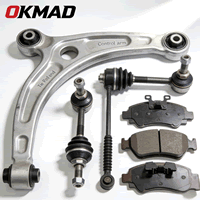
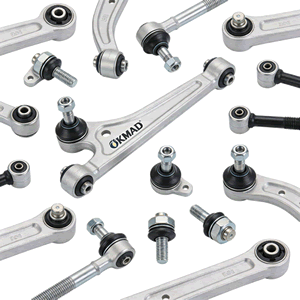
Control arms, also known as A-arms, are an essential part of a vehicle\'s suspension system. They connect the steering knuckle to the vehicle\'s frame and allow for up-and-down movement of the wheel while maintaining proper alignment. For SsangYong vehicles, control arms play a crucial role in ensuring a smooth ride and optimal handling.
- Control Arm Part Numbers: The part numbers for SsangYong control arms include 4450132100, 44501-32100, 4450232100, and 44502-32100. These parts are specifically designed for use in SsangYong vehicles and must be installed correctly to ensure proper function.
- Symptoms of Bad Control Arms: When control arms start to wear out or become damaged, several symptoms may occur. These include uneven tire wear, clunking or rattling noises while driving, steering wheel vibration or wandering, and poor handling or stability on the road.
- Checking Control Arms: If any of these symptoms are present in your SsangYong vehicle, it\'s important to have the control arms checked by a professional mechanic. This typically involves lifting the vehicle and inspecting the control arm bushings for signs of wear or damage.
- Replacing Control Arms: If it\'s determined that new control arms are needed for your SsangYong vehicle, it\'s essential to choose high-quality parts that meet OEM specifications. While replacement costs can vary depending on labor rates and other factors, expect to pay anywhere from $100-$500 per arm (including parts and labor).
- Polyurethane Control Arm Bushings: For those looking to upgrade their SsangYong\'s suspension system, polyurethane control arm bushings are a popular option. These aftermarket parts offer improved durability and performance over tr
What are Control Arms and Why Are They Important for SsangYong Vehicles?
Control arms, also known as A-arms, are an essential part of a vehicle\'s suspension system. They connect the steering knuckle to the vehicle\'s frame and allow for up-and-down movement of the wheel while maintaining proper alignment. For SsangYong vehicles, control arms play a crucial role in ensuring a smooth ride and optimal handling.
- Control Arm Part Numbers: The part numbers for SsangYong control arms include 4450132100, 44501-32100, 4450232100, and 44502-32100. These parts are specifically designed for use in SsangYong vehicles and must be installed correctly to ensure proper function.
- Symptoms of Bad Control Arms: When control arms start to wear out or become damaged, several symptoms may occur. These include uneven tire wear, clunking or rattling noises while driving, steering wheel vibration or wandering, and poor handling or stability on the road.
- Checking Control Arms: If any of these symptoms are present in your SsangYong vehicle, it\'s important to have the control arms checked by a professional mechanic. This typically involves lifting the vehicle and inspecting the control arm bushings for signs of wear or damage.
- Replacing Control Arms: If it\'s determined that new control arms are needed for your SsangYong vehicle, it\'s essential to choose high-quality parts that meet OEM specifications. While replacement costs can vary depending on labor rates and other factors, expect to pay anywhere from $100-$500 per arm (including parts and labor).
- Polyurethane Control Arm Bushings: For those looking to upgrade their SsangYong\'s suspension system, polyurethane control arm bushings are a popular option. These aftermarket parts offer improved durability and performance over traditional rubber bushings, helping to reduce noise and vibration while improving handling and stability on the road.
Overall, control arms are a critical component of any vehicle\'s suspension system, including SsangYong models. By understanding the importance of these parts and staying vigilant for signs of wear or damage, drivers can help ensure a safe and comfortable driving experience for themselves and their passengers.
What are Control Arms and Why Are They Important for SsangYong Vehicles?
Control arms, also known as A-arms, are an essential part of a vehicle\'s suspension system. They connect the steering knuckle to the vehicle\'s frame and allow for up-and-down movement of the wheel while maintaining proper alignment. For SsangYong vehicles, control arms play a crucial role in ensuring a smooth ride and optimal handling.
- Control Arm Part Numbers: The part numbers for SsangYong control arms include 4450132100, 44501-32100, 4450232100, and 44502-32100. These parts are specifically designed for use in SsangYong vehicles and must be installed correctly to ensure proper function.
- Symptoms of Bad Control Arms: When control arms start to wear out or become damaged, several symptoms may occur. These include uneven tire wear, clunking or rattling noises while driving, steering wheel vibration or wandering, and poor handling or stability on the road.
- Checking Control Arms: If any of these symptoms are present in your SsangYong vehicle, it\'s important to have the control arms checked by a professional mechanic. This typically involves lifting the vehicle and inspecting the control arm bushings for signs of wear or damage.
- Replacing Control Arms: If it\'s determined that new control arms are needed for your SsangYong vehicle, it\'s essential to choose high-quality parts that meet OEM specifications. While replacement costs can vary depending on labor rates and other factors, expect to pay anywhere from $100-$500 per arm (including parts and labor).
- Polyurethane Control Arm Bushings: For those looking to upgrade their SsangYong\'s suspension system, polyurethane control arm bushings are a popular option. These aftermarket parts offer improved durability and performance over traditional rubber bushings, helping to reduce noise and vibration while improving handling and stability on the road.
Overall, control arms are a critical component of any vehicle\'s suspension system, including SsangYong models. By understanding the importance of these parts and staying vigilant for signs of wear or damage, drivers can help ensure a safe and comfortable driving experience for themselves and their passengers.