What are Suspension Bushings and Why Are They Important?
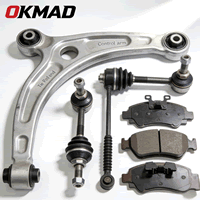
Suspension bushings are small but critical components of a vehicle\'s suspension system. They are designed to absorb shocks, reduce noise and vibration, and provide stability and control while driving. Suspension bushings connect various parts of the suspension system, such as the control arm, sway bar, strut mount, and shock absorber, to the chassis or frame of the vehicle.
- Types of Suspension Bushings: There are several types of suspension bushings available in the market. The most common ones include rubber bushings, polyurethane bushings, and spherical bearings. Each type has its own advantages and disadvantages in terms of durability, performance, comfort level, and cost.
- Symptoms of Worn Suspension Bushings: Like any other component in a vehicle\'s suspension system, suspension bushings can wear out over time due to constant exposure to heat, friction, moisture, and road debris. Some common signs that indicate worn or damaged suspension bushings include excessive noise or vibration while driving on rough roads or bumps; uneven tire wear; poor handling or steering response; and reduced stability or control during cornering.
- How to Check for Worn Suspension Bushings: To check if your vehicle\'s suspension bushings need replacement or repair: inspect them visually for any cracks or tears; test them by pushing down on each corner of the car to see if they compress properly; listen for any unusual noises while driving; check your tires regularly for signs of uneven wear.
- Costs of Replacing Suspension Bushings: The cost of replacing suspension bushings varies depending on the make and model of your car as well as the type and quality of replacement parts used. Generally speaking though: replacing one or two bushings can co
What are Suspension Bushings and Why Are They Important?
Suspension bushings are small but critical components of a vehicle\'s suspension system. They are designed to absorb shocks, reduce noise and vibration, and provide stability and control while driving. Suspension bushings connect various parts of the suspension system, such as the control arm, sway bar, strut mount, and shock absorber, to the chassis or frame of the vehicle.
- Types of Suspension Bushings: There are several types of suspension bushings available in the market. The most common ones include rubber bushings, polyurethane bushings, and spherical bearings. Each type has its own advantages and disadvantages in terms of durability, performance, comfort level, and cost.
- Symptoms of Worn Suspension Bushings: Like any other component in a vehicle\'s suspension system, suspension bushings can wear out over time due to constant exposure to heat, friction, moisture, and road debris. Some common signs that indicate worn or damaged suspension bushings include excessive noise or vibration while driving on rough roads or bumps; uneven tire wear; poor handling or steering response; and reduced stability or control during cornering.
- How to Check for Worn Suspension Bushings: To check if your vehicle\'s suspension bushings need replacement or repair: inspect them visually for any cracks or tears; test them by pushing down on each corner of the car to see if they compress properly; listen for any unusual noises while driving; check your tires regularly for signs of uneven wear.
- Costs of Replacing Suspension Bushings: The cost of replacing suspension bushings varies depending on the make and model of your car as well as the type and quality of replacement parts used. Generally speaking though: replacing one or two bushings can cost anywhere from $50 to $200, while replacing all of them can cost upwards of $500 or more.
- Benefits of Upgrading to Polyurethane Suspension Bushings: If you\'re looking to upgrade your vehicle\'s suspension system, consider replacing the rubber bushings with polyurethane ones. Polyurethane bushings are more durable, long-lasting, and resistant to wear and tear than rubber ones. They also provide better handling and steering response, reduce noise and vibration, and improve overall driving comfort.
Overall, suspension bushings play a crucial role in ensuring a smooth and safe ride for both the driver and passengers. Regular inspection and maintenance of these small components can go a long way in preventing costly repairs down the road.
What are Suspension Bushings and Why Are They Important?
Suspension bushings are small but critical components of a vehicle\'s suspension system. They are designed to absorb shocks, reduce noise and vibration, and provide stability and control while driving. Suspension bushings connect various parts of the suspension system, such as the control arm, sway bar, strut mount, and shock absorber, to the chassis or frame of the vehicle.
- Types of Suspension Bushings: There are several types of suspension bushings available in the market. The most common ones include rubber bushings, polyurethane bushings, and spherical bearings. Each type has its own advantages and disadvantages in terms of durability, performance, comfort level, and cost.
- Symptoms of Worn Suspension Bushings: Like any other component in a vehicle\'s suspension system, suspension bushings can wear out over time due to constant exposure to heat, friction, moisture, and road debris. Some common signs that indicate worn or damaged suspension bushings include excessive noise or vibration while driving on rough roads or bumps; uneven tire wear; poor handling or steering response; and reduced stability or control during cornering.
- How to Check for Worn Suspension Bushings: To check if your vehicle\'s suspension bushings need replacement or repair: inspect them visually for any cracks or tears; test them by pushing down on each corner of the car to see if they compress properly; listen for any unusual noises while driving; check your tires regularly for signs of uneven wear.
- Costs of Replacing Suspension Bushings: The cost of replacing suspension bushings varies depending on the make and model of your car as well as the type and quality of replacement parts used. Generally speaking though: replacing one or two bushings can cost anywhere from $50 to $200, while replacing all of them can cost upwards of $500 or more.
- Benefits of Upgrading to Polyurethane Suspension Bushings: If you\'re looking to upgrade your vehicle\'s suspension system, consider replacing the rubber bushings with polyurethane ones. Polyurethane bushings are more durable, long-lasting, and resistant to wear and tear than rubber ones. They also provide better handling and steering response, reduce noise and vibration, and improve overall driving comfort.
Overall, suspension bushings play a crucial role in ensuring a smooth and safe ride for both the driver and passengers. Regular inspection and maintenance of these small components can go a long way in preventing costly repairs down the road.