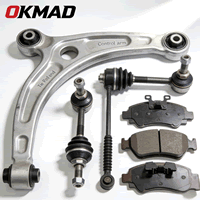
What are Tie Rod Ends?
Tie rod ends are an essential component of the steering system in a vehicle. They connect the steering knuckles to the steering rack and transfer the force from the steering wheel to turn the wheels. Without tie rod ends, vehicles would have a difficult time turning or wouldn\'t be able to turn at all.
The Structure of Tie Rod Ends: 204 330 10 03
The specific tie rod end we will be discussing is part number 204 330 10 03. This tie rod end is designed for use in Mercedes-Benz vehicles and is made up of several parts:
- Grease Fitting: This allows for lubrication of the joint between the tie rod end and the steering knuckle.
- Ball Joint: The ball joint connects to both the steering knuckle and the inner tie rod, allowing for movement when turning.
- Housing: The housing holds all of these components together and provides support for them.
Symptoms of Bad Tie Rod Ends
If a vehicle\'s tie rod ends are failing, there will be some noticeable symptoms that indicate it\'s time for replacement. These symptoms include:
- Pulling: If a vehicle pulls to one side while driving, it could mean that one or both tie rod ends are worn out.
- Vibration: A vibrating or shaking sensation in the steering wheel can also indicate worn out tie rod ends.
- Noise: Clunking or knocking sounds when turning can signify failing tie rod ends.
Checking Tie Rod Ends
If any of these symptoms are present, it\'s important to check the tie rod ends for damage. Here\'s how:
- Jack up the vehicle: Use a jack to lift the vehicle off the ground and secure it with jack stands.
- Inspect: Look for any visible signs of wear or damage on both tie rod ends.
- Movement: Check for any excessive movement between the ball joint and housing.
Tie Rod End Replacement Cost
The cost of replacing tie rod ends can vary depending on several factors, including the make and model of the vehicle and where you go for repairs. On average, tie rod end replacement costs between $100-$300 per side. However, it\'s important to note that neglecting to replace worn out tie rod ends can lead to more expensive repairs down the line, such as damaged tires or suspension components.
The Importance of Properly Functioning Tie Rod Ends: 204 330 10 03
Tie rod ends may seem like a small component in a vehicle\'s steering system, but they play a crucial role in ensuring safe and efficient driving. If tie rod ends fail while driving, it can cause loss of control and potentially dangerous situations on the road. Therefore, regular maintenance checks and timely replacement of worn out parts like tie rod ends is essential for safe driving.
What are Tie Rod Ends?
Tie rod ends are an essential component of the steering system in a vehicle. They connect the steering knuckles to the steering rack and transfer the force from the steering wheel to turn the wheels. Without tie rod ends, vehicles would have a difficult time turning or wouldn\'t be able to turn at all.
The Structure of Tie Rod Ends: 204 330 10 03
The specific tie rod end we will be discussing is part number 204 330 10 03. This tie rod end is designed for use in Mercedes-Benz vehicles and is made up of several parts:
- Grease Fitting: This allows for lubrication of the joint between the tie rod end and the steering knuckle.
- Ball Joint: The ball joint connects to both the steering knuckle and the inner tie rod, allowing for movement when turning.
- Housing: The housing holds all of these components together and provides support for them.
Symptoms of Bad Tie Rod Ends
If a vehicle\'s tie rod ends are failing, there will be some noticeable symptoms that indicate it\'s time for replacement. These symptoms include:
- Pulling: If a vehicle pulls to one side while driving, it could mean that one or both tie rod ends are worn out.
- Vibration: A vibrating or shaking sensation in the steering wheel can also indicate worn out tie rod ends.
- Noise: Clunking or knocking sounds when turning can signify failing tie rod ends.
Checking Tie Rod Ends
If any of these symptoms are present, it\'s important to check the tie rod ends for damage. Here\'s how:
- Jack up the vehicle: Use a jack to lift the vehicle off the ground and secure it with jack stands.
- Inspect: Look for any visible signs of wear or damage on both tie rod ends.
- Movement: Check for any excessive movement between the ball joint and housing.
Tie Rod End Replacement Cost
The cost of replacing tie rod ends can vary depending on several factors, including the make and model of the vehicle and where you go for repairs. On average, tie rod end replacement costs between $100-$300 per side. However, it\'s important to note that neglecting to replace worn out tie rod ends can lead to more expensive repairs down the line, such as damaged tires or suspension components.
The Importance of Properly Functioning Tie Rod Ends: 204 330 10 03
Tie rod ends may seem like a small component in a vehicle\'s steering system, but they play a crucial role in ensuring safe and efficient driving. If tie rod ends fail while driving, it can cause loss of control and potentially dangerous situations on the road. Therefore, regular maintenance checks and timely replacement of worn out parts like tie rod ends is essential for safe driving.