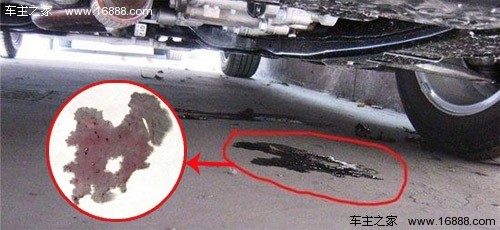
【Owner's home car knowledge】In the use of automobiles, oil leakage failures often occur, which will directly affect the technical performance of the automobile, lead to waste of lubricating oil and fuel, consume power, affect the cleanliness of the car, and cause environmental pollution. Due to oil leakage and reduction of lubricating oil inside the machine, poor lubrication and insufficient cooling of the machine parts will cause early damage to the machine parts and even leave hidden dangers of accidents.
1. Common causes of vehicle oil leakage
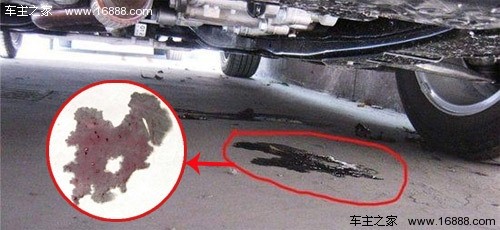
1. The quality, material or workmanship of the product (accessory) is not good; there are problems in the structural design.
2. Improper assembly speed, dirty mating surface, damaged gasket, displacement or failure to install according to operating procedures.
3. Uneven tightening force of fastening nuts, broken wires or loose and falling off lead to work failure.
4. After long-term use, the sealing material wears too much, deteriorates due to aging, and becomes invalid due to deformation.
5. Too much lubricating oil is added, the oil level is too high or the wrong oil is added.
6. The joint surf
【Owner's home car knowledge】In the use of automobiles, oil leakage failures often occur, which will directly affect the technical performance of the automobile, lead to waste of lubricating oil and fuel, consume power, affect the cleanliness of the car, and cause environmental pollution. Due to oil leakage and reduction of lubricating oil inside the machine, poor lubrication and insufficient cooling of the machine parts will cause early damage to the machine parts and even leave hidden dangers of accidents.
1. Common causes of vehicle oil leakage
1. The quality, material or workmanship of the product (accessory) is not good; there are problems in the structural design.
2. Improper assembly speed, dirty mating surface, damaged gasket, displacement or failure to install according to operating procedures.
3. Uneven tightening force of fastening nuts, broken wires or loose and falling off lead to work failure.
4. After long-term use, the sealing material wears too much, deteriorates due to aging, and becomes invalid due to deformation.
5. Too much lubricating oil is added, the oil level is too high or the wrong oil is added.
6. The joint surfaces of parts (side covers, thin-walled parts) are deflected and deformed, and the shell is damaged, causing lubricating oil to leak out.
7. After the vent plug and one-way valve are blocked, due to the difference in air pressure inside and outside the box shell, it will often cause oil leakage at the weak seal.
2. Measures to prevent vehicle oil spills
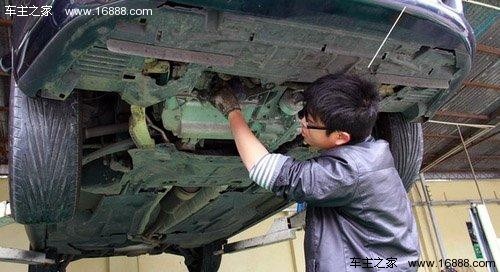
1. Pay attention to the role of cushioning. The gasket between parts of the static parts of the car (such as each joint end face, each end cover, shell, cover pad, flat enamel cover plate, etc.) plays a role of leak-proof sealing. If the material, production quality and installation do not meet the technical specifications, the sealing and leak-proof effect will not be achieved, and even accidents will occur. For example, the oil pan or valve cover is not easy to compact due to the large contact area, resulting in oil leakage. Pay attention to proper placement when disassembling and assembling, check carefully, and assemble according to the specifications.
2. All kinds of fastening nuts on the vehicle must be tightened according to the specified torque. If the gasket is too loose and not tight, the gasket will leak; if it is too tight, the metal around the screw hole will bulge or the screw thread will slip, causing oil leakage. In addition, if the oil drain screw plug of the oil pan is not tightened or loosened, it is easy to cause oil loss, and then the engine damage accident of "burning pad and shaft".
3. Replace the failed oil seal in time. Many moving parts (such as oil seals and O-rings) on the car will throw oil due to improper installation, misalignment between the journal and the edge of the oil seal, and deflection. Some oil seals will lose their elasticity due to rubber aging if they are used for a long time. If leakage is found, it should be updated in time.
4. Excessive wear of auto parts (such as pistons and cylinders) will occur if the auto parts are used for a long time, which will cause high-pressure gas in the combustion chamber to enter the crankcase and force the oil to leak out. Therefore, when the exhaust gas at the oil filler cap is serious, it should be repaired or replaced as soon as possible.
5. Avoid blocking of one-way valve and ventilation valve. As a result, the temperature in the casing rises, the oil and gas fill the entire space, and are discharged out of the canal, which increases the pressure in the casing and increases the consumption of lubricating oil and shortens the replacement cycle. After the engine ventilation system is blocked, the movement resistance of the piston is increased, which increases fuel consumption. Due to the difference in air pressure inside and outside the box shell, oil leakage is often caused at weak seals. Therefore, it is necessary to carry out regular inspection, dredging and cleaning of the vehicle.
6. Properly solve the sealing of various oil pipe joints. The union nuts for vehicles are often disassembled and assembled, and the wires are easy to be broken and loosened; the bell mouths of the two joints have poor precision, and the centerlines of the two cones do not overlap, resulting in poor contact; the tapers are different and do not coincide, which will cause oil leakage . Replace the union nut, use the grinding method to fix the tapered surface seal, and press the nut tightly to fix the seal.
7. Avoid wheel hub oil throwing. Too much lubricating grease in the hub bearing and cavity, or improper assembly of the oil seal, poor quality and aging failure; excessive hub temperature caused by frequent braking; loose axle nuts, etc. will cause the hub to throw oil. Therefore, the "cavity lubrication method" is useful to dredge the vent holes, strictly select high-quality accessories, and carry out assembly and high-speed assembly according to process specifications.
3. Main points of vehicle maintenance and overhaul
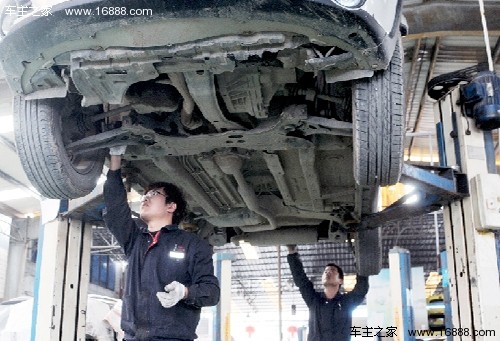
Assembly is carried out under extremely clean conditions, with no bumps, scratches, burrs and other attachments on the working surface of the parts; strict operating procedures, the seals should be installed correctly to prevent deformation if they are not in place; master the performance specifications and use requirements of the seals , replace the failed parts in time; for thin-walled parts such as side covers, use sheet metal cold correction; for shaft hole parts that are easy to wear, metal spraying, welding repair, gluing, machining and other processes can be used to achieve the original factory size; Use sealant as much as possible, and replace it with paint if necessary to achieve the ideal sealing effect; the nut should be repaired or replaced with a new one if it is broken or loose, and screwed to the specified torque; the appearance quality of the rubber seal should be carefully checked before assembly; use Special tools are press-fitted to avoid knocking and deformation; add lubricating grease according to regulations, and regularly clean and dredge the vent hole and one-way valve. As long as the above points are achieved, the problem of vehicle oil leakage can be completely cured.
Related recommended reading:Teach you how to maintain the vehicle after the rain, nine correct maintenance instructions http://news.16888.com/a/2014/0207/332522.htmlWhat items should be done in spring maintenance? Six parts must be checked http://news.16888.com/a/2014/0208/332628.html