
What is the difference between a load-bearing body and a non-load-bearing body?
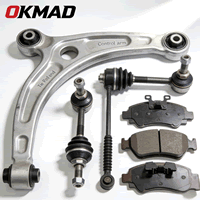
Product Overview
Early cars used non-load-bearing bodies. In the mouth of old drivers, non-load-bearing bodies are the representatives of the hardcore. But now almost all cars have basically become the use of load-bearing bodies. The non
Key Features
- Meet or exceed OEM requirements
- 2 years warranty
- Strict quality control
- Complete testing from material to product
Quality Assurance
Early cars used non-load-bearing bodies. In the mouth of old drivers, non-load-bearing bodies are the representatives of the hardcore. But now almost all cars have basically become the use of load-bearing bodies. The non-load-bearing body has high strength and is strong enough. On pothole roads, the "beam" can absorb a lot of vibration and impact, and people sit firmly in the car. It is a pity that the frame is heavy, and the cost of using more materials is high, and the internal space is limited. With the development of technology, manufacturers began to remove the girder and make the body into a whole structure. Thus was born the most common load-bearing body today, which is light in weight, simple in structure, and all other components are connected to the body. What is the difference between them? How to choose for daily use?
| Material | High-tensile steel / forged aluminum |
|---|---|
| Finish | E-coat / powder paint / zinc plating |
| Standards | IATF / ISO-based process control |
| Warranty | 24 months |
| MOQ | 50-100 pcs per reference |
| Lead Time | 25-35 days after PO |
Compatible Brands:
Toyota, Honda, Nissan, BMW, Mercedes-Benz, Ford, Hyundai, Kia, Volkswagen, Land Rover, and more...
Request a Quote
Just for B2B inquiries, no retail please. We'll get back to you within 24 hours.
Related Products
