Tire knowledge
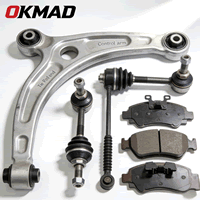
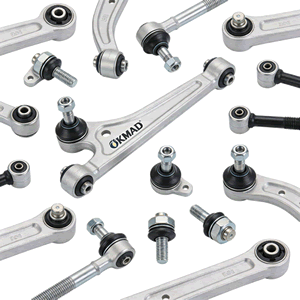
Product Overview
tiretireAscarThe performance of the support and transmission part of the force between the road and the road has a great influence on the driving performance of the car. The performance of a tire is related to its stru
Key Features
- Meet or exceed OEM requirements
- 2 years warranty
- Strict quality control
- Complete testing from material to product
Quality Assurance
Chemical Analysis
Hardness Test
Surface Test
Dimension Check
Salt Fog Test
Fatigue Test
Fast worldwide shipping Quality guaranteed
tire
tireAscarThe performance of the support and transmission part of the force between the road and the road has a great influence on the driving performance of the car. The performance of a tire is related to its structure, material, air pressure, pattern and other factors.
The tire assembly is mounted on the rim and directly contacts the road surface. Its function is to withstand the gravity of the car; when the car is running, the uneven road surface causes impact and vibration, requiring the tire and suspension to alleviate the impact; to ensure good adhesion between the wheels and the road surface, and transmit driving force and braking force. , To maintain the stability of the car.
Structural tires are mainly composed of crowns, shoulders, sidewalls, carcass and beads.
1. Tire crown refers to the middle part of the two shoulder clamps of the tire. Including tread, buffer layer (or belt layer) and ply, etc.
Tread refers to the tread rubber layer with a pattern on the outermost layer of the crown and the road surface. The role is to protect the carcass and prevent its early wear and damage.
The buffer layer refers to the tape layer between the bias tire tread and the carcass. The function is to alleviate and partially absorb the impact of the road on the tire.
The belt layer refers to the material layer that clamps the carcass in the circumferential direction of the tread centerline under the tread base of the radial tire and the bias tire. The function is to enhance the circumferential rigidity and inclined rigidity of the tire, and bear most of the stress of the tread.
The ply layer refers to the cloth layer composed of rubber-coated parallel cords in the carcass. It is the skeleton of the carcass and supports various parts of the carcass.
2. The sidewall refers to the rubber layer on the sidewall of the carcass bet
tireAscarThe performance of the support and transmission part of the force between the road and the road has a great influence on the driving performance of the car. The performance of a tire is related to its structure, material, air pressure, pattern and other factors.
The tire assembly is mounted on the rim and directly contacts the road surface. Its function is to withstand the gravity of the car; when the car is running, the uneven road surface causes impact and vibration, requiring the tire and suspension to alleviate the impact; to ensure good adhesion between the wheels and the road surface, and transmit driving force and braking force. , To maintain the stability of the car.
Structural tires are mainly composed of crowns, shoulders, sidewalls, carcass and beads.
1. Tire crown refers to the middle part of the two shoulder clamps of the tire. Including tread, buffer layer (or belt layer) and ply, etc.
Tread refers to the tread rubber layer with a pattern on the outermost layer of the crown and the road surface. The role is to protect the carcass and prevent its early wear and damage.
The buffer layer refers to the tape layer between the bias tire tread and the carcass. The function is to alleviate and partially absorb the impact of the road on the tire.
The belt layer refers to the material layer that clamps the carcass in the circumferential direction of the tread centerline under the tread base of the radial tire and the bias tire. The function is to enhance the circumferential rigidity and inclined rigidity of the tire, and bear most of the stress of the tread.
The ply layer refers to the cloth layer composed of rubber-coated parallel cords in the carcass. It is the skeleton of the carcass and supports various parts of the carcass.
2. The sidewall refers to the rubber layer on the sidewall of the carcass bet
| Material | High-tensile steel / forged aluminum |
|---|---|
| Finish | E-coat / powder paint / zinc plating |
| Standards | IATF / ISO-based process control |
| Warranty | 24 months |
| MOQ | 50-100 pcs per reference |
| Lead Time | 25-35 days after PO |
Passenger Cars
SUVs & Pickups
Commercial Vehicles
Off-road Vehicles
Compatible Brands:
Toyota, Honda, Nissan, BMW, Mercedes-Benz, Ford, Hyundai, Kia, Volkswagen, Land Rover, and more...
Request a Quote
Just for B2B inquiries, no retail please. We'll get back to you within 24 hours.
Related Products