Little knowledge of lithium-ion batteries

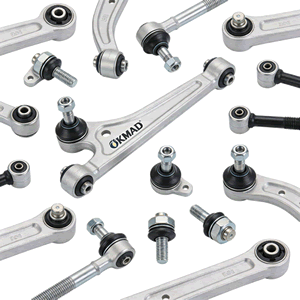
Product Overview
Lithium-ion batteries have been developed rapidly in recent years and are truly pollution-free high-performance secondary batteries. Lithium-ion batteries have the characteristics of small size, large specific energy, lo
Key Features
- Meet or exceed OEM requirements
- 2 years warranty
- Strict quality control
- Complete testing from material to product
Quality Assurance
Chemical Analysis
Hardness Test
Surface Test
Dimension Check
Salt Fog Test
Fatigue Test
Fast worldwide shipping Quality guaranteed
Lithium-ion batteries have been developed rapidly in recent years and are truly pollution-free high-performance secondary batteries. Lithium-ion batteries have the characteristics of small size, large specific energy, long life, and good discharge performance. In just a few years, it has been widely used in notebook computers, mobile phones, portable DVDs and VCDs. The single discharge voltage platform of lithium-ion batteries is higher, 3.6V, which is 3 times that of general batteries such as nickel-metal hydride and nickel-cadmium. Therefore, it is very suitable for occasions that require a high discharge voltage platform. Because of the higher discharge voltage, the volume can be reduced a lot. The discharge voltage range of lithium-ion batteries is generally 2.5-4.2V/cell. Lithium-ion batteries also have special requirements for use conditions, which require the voltage to be controlled at 2.5-4.2V/cell. If the voltage is too low during use, it will reduce the service life of the battery, and if the voltage is too high during charging, it may burst. Therefore, the lithium-ion battery cannot be used alone. It must be equipped with an electronic protection circuit to ensure that it works within the allowable range, so as to ensure the safety of the lithium-ion battery and effectively extend its service life. Due to the particularity of lithium-ion batteries, the requirements for chargers are also quite high. The most ideal charging method for lithium-ion batteries is constant current and constant voltage. First, charge with constant current to 4.2V/cell, and then convert to constant voltage. Charge. Charging ends when the current is low to a certain level. Lithium-ion batteries have high requirements for the voltage accuracy of the charger. If the voltage is less than the rated (4.2V) 0.1V, it will lead to insufficient charging, which is about 15% less charge. If the voltage exceeds the rated voltage (4.2V) by 0.1V, it will cause overcharge and affect the battery
| Material | High-tensile steel / forged aluminum |
|---|---|
| Finish | E-coat / powder paint / zinc plating |
| Standards | IATF / ISO-based process control |
| Warranty | 24 months |
| MOQ | 50-100 pcs per reference |
| Lead Time | 25-35 days after PO |
Passenger Cars
SUVs & Pickups
Commercial Vehicles
Off-road Vehicles
Compatible Brands:
Toyota, Honda, Nissan, BMW, Mercedes-Benz, Ford, Hyundai, Kia, Volkswagen, Land Rover, and more...
Request a Quote
Just for B2B inquiries, no retail please. We'll get back to you within 24 hours.
Related Products