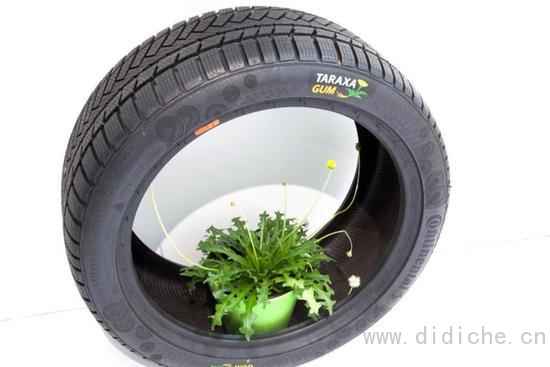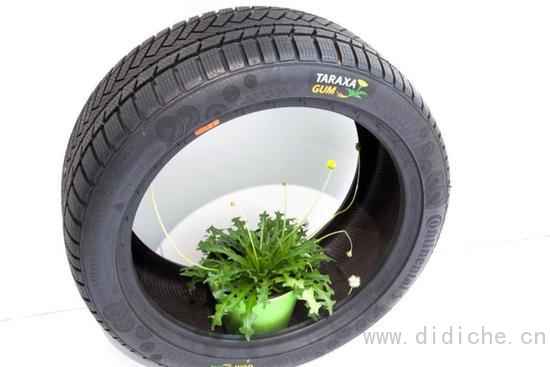
ManufacturingtireIt's a dirty business.About 30%CarShoes are made of a filler called carbon black. It helps to make the rubber more durable and make it black. It is produced by the incomplete combustion of hydrocarbons.The manufacture of carbon black causes harmful emissions, along withtireWith the development of industry, its demand is increasing and its supply is decreasing. Researchers at Ohio State University think they have found another option, which may be in your compost pile.
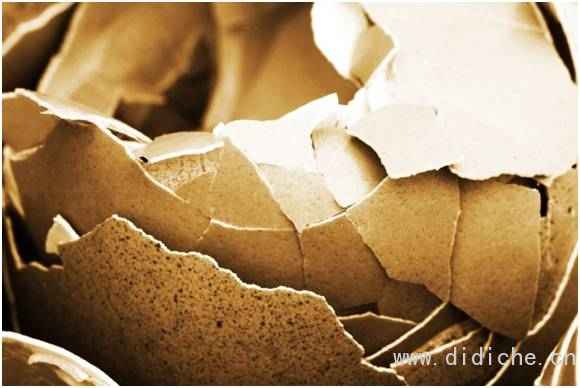
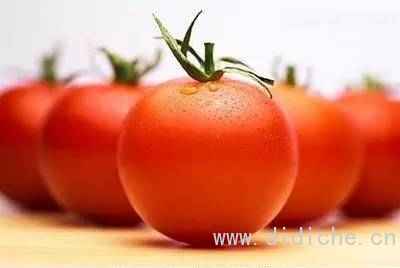
According to scientists at Oregon State University, food waste, especially eggshells and tomato skins, can be a good substitute for carbon black in tires. In addition to being a more environmentally friendly material, it can also be purchased locally (rather than imported from overseas like many carbon blacks), and it can also prevent food waste from being landfilled.
Eggshells and tomato skins have certain practical advantages when used on tires. Tomato skin has high temperature stability, and the porous structure of eggshell can bond rubber well. As explained by Cindy Barrera, a postdoctoral researcher
ManufacturingtireIt's a dirty business.About 30%CarShoes are made of a filler called carbon black. It helps to make the rubber more durable and make it black. It is produced by the incomplete combustion of hydrocarbons.The manufacture of carbon black causes harmful emissions, along withtireWith the development of industry, its demand is increasing and its supply is decreasing. Researchers at Ohio State University think they have found another option, which may be in your compost pile.
According to scientists at Oregon State University, food waste, especially eggshells and tomato skins, can be a good substitute for carbon black in tires. In addition to being a more environmentally friendly material, it can also be purchased locally (rather than imported from overseas like many carbon blacks), and it can also prevent food waste from being landfilled.
Eggshells and tomato skins have certain practical advantages when used on tires. Tomato skin has high temperature stability, and the porous structure of eggshell can bond rubber well. As explained by Cindy Barrera, a postdoctoral researcher at Oregon State University, the two tires work well together and the tire performance exceeds industry standards. Traditional fillers usually reduce the flexibility of rubber. "Replacement of different parts of carbon black with ground eggshells and tomato skins will produce a synergistic effect-for example, to keep strong rubber elastic." The resulting rubber is reddish brown. Yes, but the research team at Oregon State University is studying how to deal with this color.
Although carbon black is no longer superfluous, eggshells and tomato skins are cheap and abundant. Americans consume nearly 100 billion eggs and 13 million tons of tomatoes every year. Half of the eggs and most of the tomatoes are processed in food processing plants, which discard the shell and peel. As a result, Katrina Cornish, chair of biomaterial donation at Oregon State University, stated that these factories will become the preferred source of new filler materials, rather than collecting waste at the household level.
According to Phys.org, these biotechnology-based tire technologies have been licensed to a company called EnergyEne, the owner of which is Professor Cornish.
Cornish worries that more forests will be cut down in order to plant rubber trees. She is actively looking for rubber substitutes, including rubber dandelion. It is indeed a dandelion, but it is different from the invaders in the lawn or garden in front of our house. The leaves of these dandelions are getting thicker and bluer, while their flowers are getting smaller and smaller. More importantly, the milk-like juice in the taproot contains natural rubber particles.
Cornish said: "Rubber dandelions come from northwest China, Kazakhstan, and Uzbekistan, but they can also grow on the snow in Ohio. We are working hard to increase the production of this dandelion while making it stronger. If we can If they succeed, they can be grown like one-year-old crops, and they can create many processing jobs at the same time."
At the same time, Ohio has issued a license for Cornish's company EnergyEne and supported its further development of technology that turns food waste into tire filler. But Cornish emphasized that no one has collected egg shells from the breakfast table. She said: "Kitchen waste has not been collected on a large scale, so you need to continue to maintain a'fertilizer pile'. In fact, you can use them to grow rubber dandelions."
Okay, that's it, dear, please follow us, we will push you information in related fields from time to time, remember to pay attention!