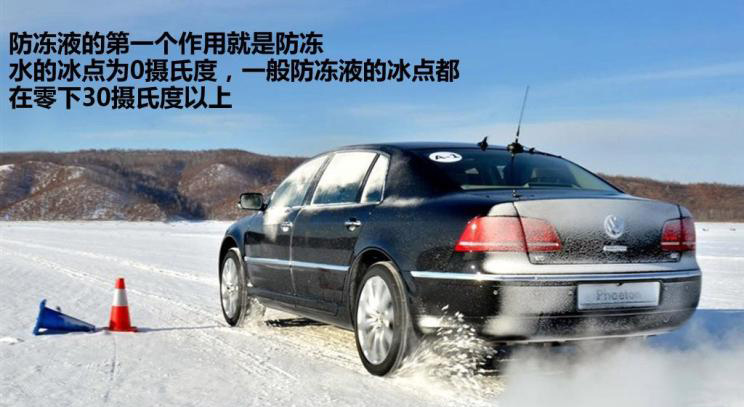
antifreezeThe full name is antifreeze coolant. From the name, it can be seen that it has two main functions: the first is antifreeze, and the second is cooling.
What is the engine antifreeze, Antifreeze can prevent the coolant from freezing and bursting when the vehicle is parked in cold winter.
cooling system, And in summer can prevent "boiling."
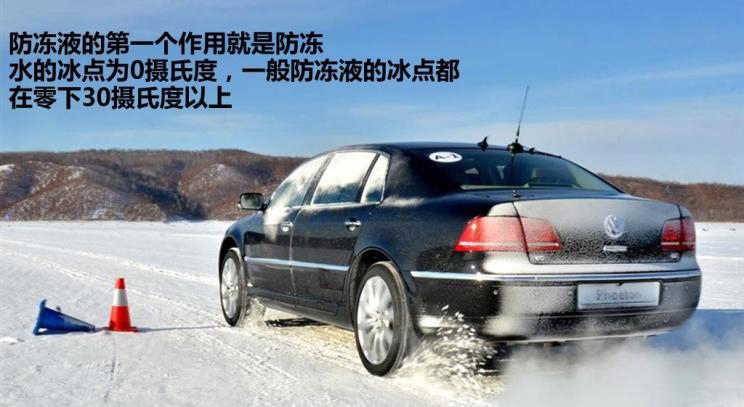
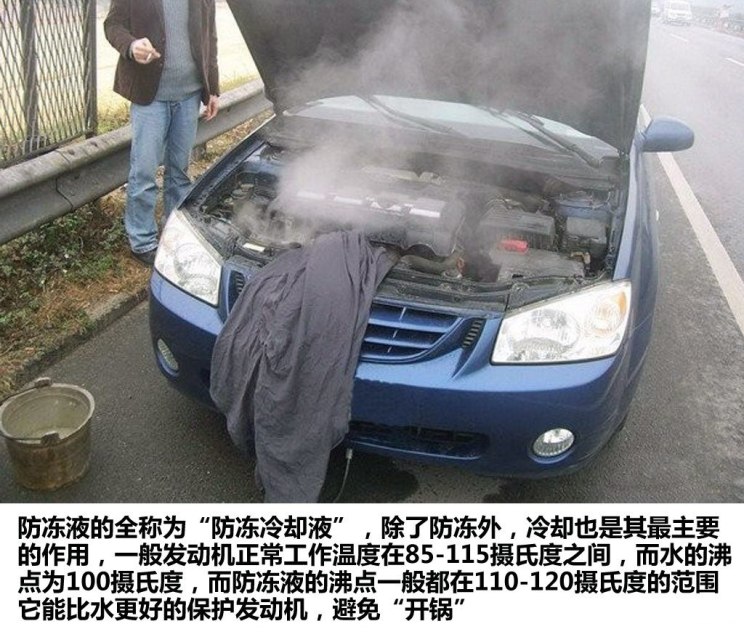
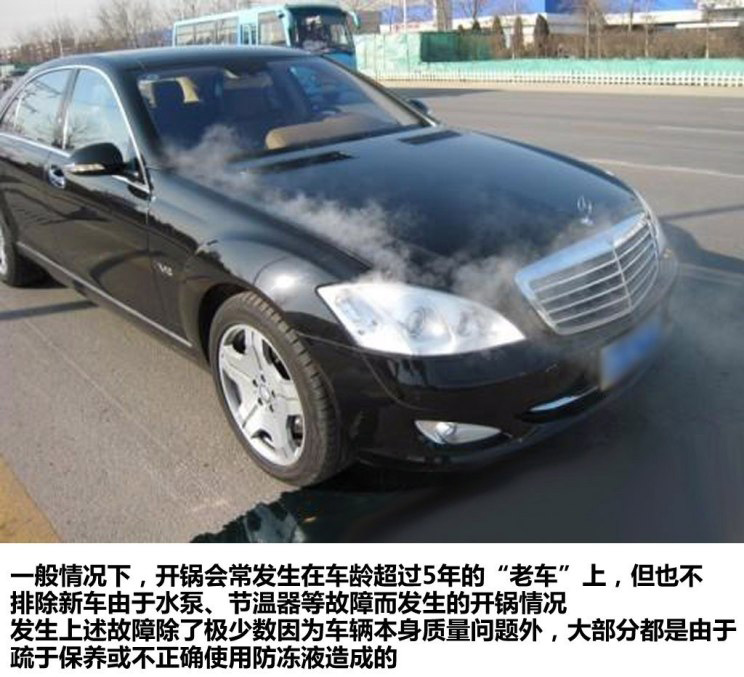 In addition to the characteristics of "low freezing point and high boiling point", antifreeze also has the functions of anti-corrosion and anti-scaling. The cooling system of the vehicle engine is mostly composed of metal parts. If Southern car owners use tap water to replace antifreeze all the year round, these metal parts will be in contact with high-temperature water all the year round, and will rust and corrode over time, which will affect the work of the cooling system. . E.g,Water pumpandThermostatIt is easily damaged.
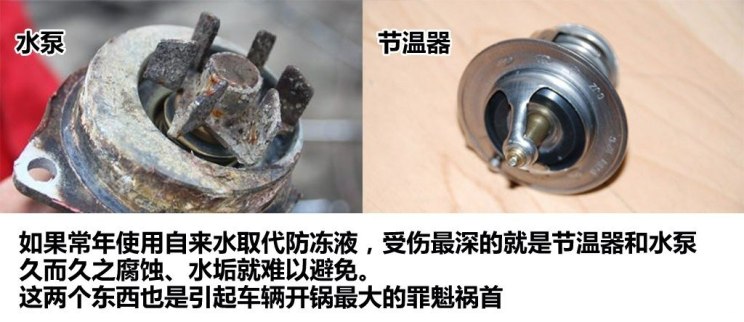 If ordinary tap water is used all year round, the water contains minerals, especially calcium and magnesium. In a high-temperatu
antifreezeThe full name is antifreeze coolant. From the name, it can be seen that it has two main functions: the first is antifreeze, and the second is cooling.
What is the engine antifreeze, Antifreeze can prevent the coolant from freezing and bursting when the vehicle is parked in cold winter.
cooling system, And in summer can prevent "boiling."
In addition to the characteristics of "low freezing point and high boiling point", antifreeze also has the functions of anti-corrosion and anti-scaling. The cooling system of the vehicle engine is mostly composed of metal parts. If Southern car owners use tap water to replace antifreeze all the year round, these metal parts will be in contact with high-temperature water all the year round, and will rust and corrode over time, which will affect the work of the cooling system. . E.g,Water pumpandThermostatIt is easily damaged.
If ordinary tap water is used all year round, the water contains minerals, especially calcium and magnesium. In a high-temperature environment, these minerals will react with metal parts and form difficult-to-remove scale. Scale is also another major killer of vehicle cooling systems. . The formation of scale in the vehicle cooling system will affect the fluidity of the "cooling water", and it will also be detrimental to the heat dissipation of various components. Over time, it will affect the normal operation of the vehicle cooling system. If you use a special antifreeze, you don't have to worry about this. Not only is it anti-corrosive, but distilled water is generally used in the production process, and anti-scaling additives are added, so there is no need to worry about the problem of scale.
How to choose the right antifreeze
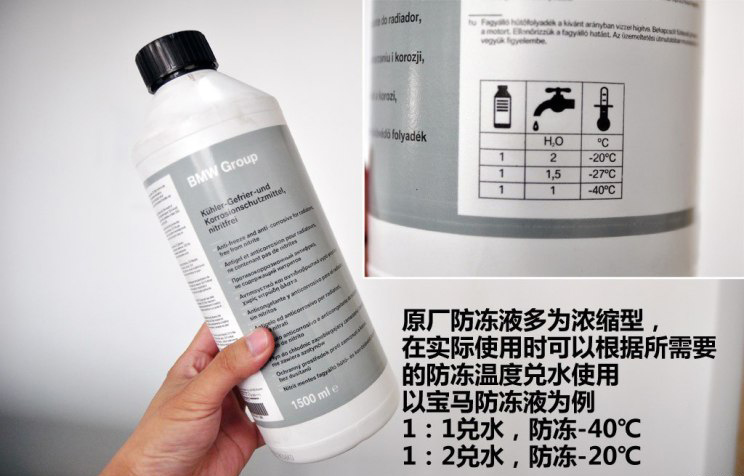
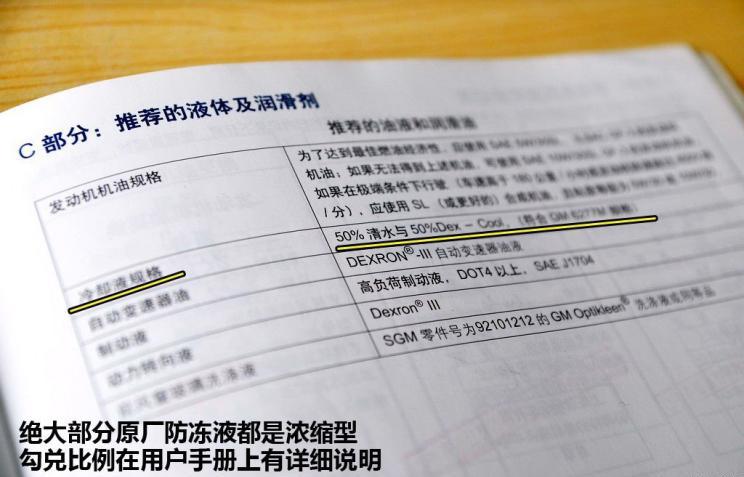
The freezing point of the antifreeze is 10℃ lower than the lowest temperature in the winter in the residential area. There are roughly two types of antifreeze on the market. One is a concentrated solution that needs to be mixed with water. The second type is the "buy and use" type, and the antifreeze does not need to be mixed with water when it is used. In addition, vehicle manufacturers will also launch antifreezes of the original brands designated by the original manufacturer. These antifreezes are generally concentrated and need to be mixed with water. However, most of the "universal" antifreezes sold on the market are mostly "buy-as-use" types, so you should choose products of big brands as much as possible. Products such as Shell, Castrol and Great Wall have corresponding products.
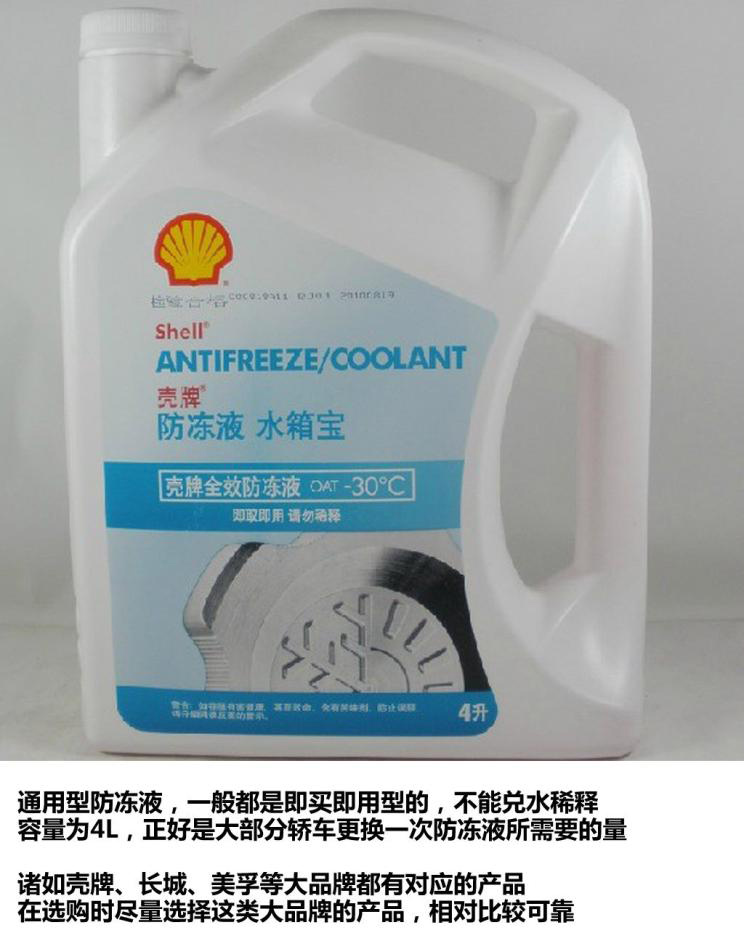
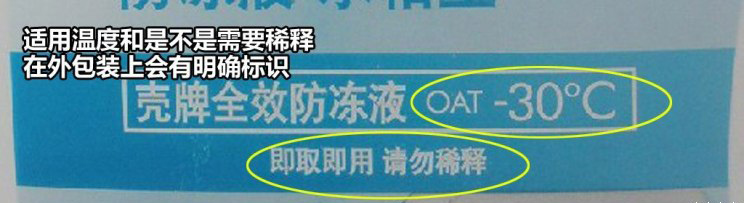 For Southern car owners, the most important thing to pay attention to is the freezing point logo on the package. As shown in the picture, the freezing point of this bottle of Shell antifreeze is minus 30°C. How to choose the freezing point of antifreeze? It is recommended that you refer to the lowest temperature in the winter where you actually live, and then drop by 10-15 degrees Celsius. Of course, if you are a southern car owner who needs to drive to the north in winter, you need to choose antifreeze according to local weather conditions. Under normal circumstances, it is no problem to choose an antifreeze that is suitable for -30-40°C.
Antifreeze replacement cycle
Different car manufacturers have different recommended replacement cycles for the original antifreeze fluid, but most of them recommend that car owners replace the vehicle antifreeze every 2 years, and some manufacturers report that their original antifreeze replacement cycle is 4 years or 5 years. year. But in any case, it must be replaced anyway, it is nothing more than the length of the replacement cycle.
How to replace the antifreeze
When replacing the antifreeze, the first and most important thing is to wait for the vehicle to cool down. Never replace the antifreeze when the engine is at a high temperature. First, there is a risk of scalding, and secondly, dropping the antifreeze when the car is "hot" will also affect the cooling of the car.
The first step is to release the water and there are many ways to release the water. The more standard operation is to lift the roof of the car, unscrew the water drain screw at the bottom, and let the antifreeze liquid drain from the water drain screw hole.There are certain hardware requirements to use this method, that is, a vehicle is requiredLift, And the speed will be slower if the antifreeze is put in the water screw. Some repair shops (non-4S shops) use direct unplugging of the "drain pipe". The advantage of this operation is that the water is discharged faster and there is no need to lift the frame to lift the vehicle.
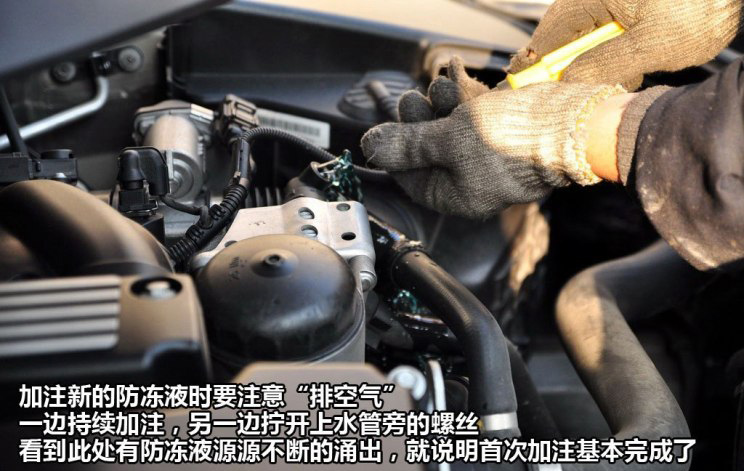
The second step is to add new antifreeze. When filling, you can directly pour about 3.5L (depending on the model) of the antifreeze into the liquid storage tank, and stop the filling after the liquid level reaches the upper limit MAX position. At this time, unscrew the drain screw next to the "upper pipe" and continue to add antifreeze. After seeing the antifreeze pouring out of the drain screw without air bubbles, tighten the drain screw again. This is the first time. The work of adding antifreeze and venting air is basically completed.
For Southern car owners, the most important thing to pay attention to is the freezing point logo on the package. As shown in the picture, the freezing point of this bottle of Shell antifreeze is minus 30°C. How to choose the freezing point of antifreeze? It is recommended that you refer to the lowest temperature in the winter where you actually live, and then drop by 10-15 degrees Celsius. Of course, if you are a southern car owner who needs to drive to the north in winter, you need to choose antifreeze according to local weather conditions. Under normal circumstances, it is no problem to choose an antifreeze that is suitable for -30-40°C.
Antifreeze replacement cycle
Different car manufacturers have different recommended replacement cycles for the original antifreeze fluid, but most of them recommend that car owners replace the vehicle antifreeze every 2 years, and some manufacturers report that their original antifreeze replacement cycle is 4 years or 5 years. year. But in any case, it must be replaced anyway, it is nothing more than the length of the replacement cycle.
How to replace the antifreeze
When replacing the antifreeze, the first and most important thing is to wait for the vehicle to cool down. Never replace the antifreeze when the engine is at a high temperature. First, there is a risk of scalding, and secondly, dropping the antifreeze when the car is "hot" will also affect the cooling of the car.
The first step is to release the water and there are many ways to release the water. The more standard operation is to lift the roof of the car, unscrew the water drain screw at the bottom, and let the antifreeze liquid drain from the water drain screw hole.There are certain hardware requirements to use this method, that is, a vehicle is requiredLift, And the speed will be slower if the antifreeze is put in the water screw. Some repair shops (non-4S shops) use direct unplugging of the "drain pipe". The advantage of this operation is that the water is discharged faster and there is no need to lift the frame to lift the vehicle.
The second step is to add new antifreeze. When filling, you can directly pour about 3.5L (depending on the model) of the antifreeze into the liquid storage tank, and stop the filling after the liquid level reaches the upper limit MAX position. At this time, unscrew the drain screw next to the "upper pipe" and continue to add antifreeze. After seeing the antifreeze pouring out of the drain screw without air bubbles, tighten the drain screw again. This is the first time. The work of adding antifreeze and venting air is basically completed.
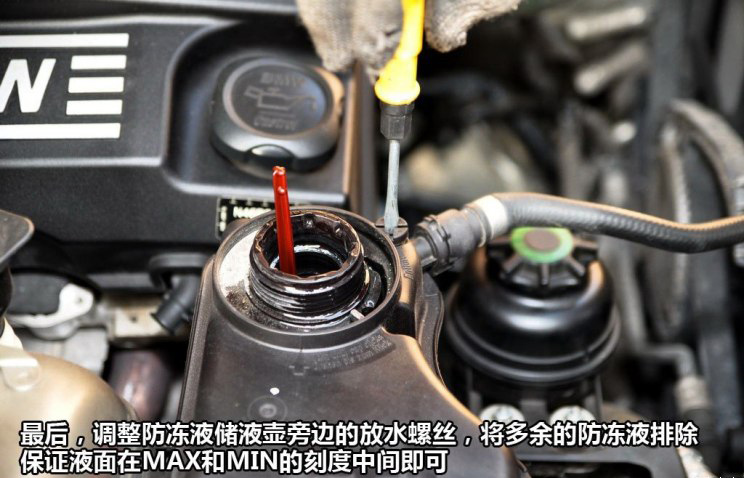
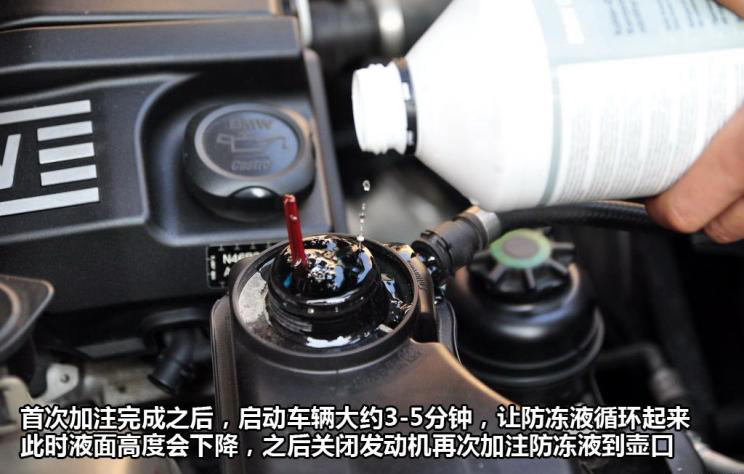 The third step, after that, start the vehicle, idling for 3-5 minutes to let the vehicle enter the normal operating temperature, and make the newly replaced antifreeze can fully circulate in the waterway in the vehicle, then turn off the engine, open the liquid storage tank, you will find The height of the liquid level has been reduced. At this time, it is only necessary to add an appropriate amount of antifreeze to keep the liquid level between MAX and MIN.
 Antifreeze inspection
Check the two states of antifreeze. One state is to check the liquid level, which can be done by ordinary car owners themselves. You can take a look at the antifreeze reservoir in the gap of the car wash. The height of the liquid level should be between MAX and MIN. The antifreeze should not be too little, and of course it should not be too much. Generally, vehicle antifreeze is rarely lacking, so you don’t need to worry too much about it.
The second state is to check the freezing point of the antifreeze, which requires the help of special equipment. Generally, car owners cannot do it by themselves, and it is best to go to a regular repair shop. There are basically two ways to check the freezing point of antifreeze. One is to test the density. Insert a special tool into the antifreeze storage pot, and determine the freezing point of the antifreeze based on the difference in density.
Antifreeze inspection
Check the two states of antifreeze. One state is to check the liquid level, which can be done by ordinary car owners themselves. You can take a look at the antifreeze reservoir in the gap of the car wash. The height of the liquid level should be between MAX and MIN. The antifreeze should not be too little, and of course it should not be too much. Generally, vehicle antifreeze is rarely lacking, so you don’t need to worry too much about it.
The second state is to check the freezing point of the antifreeze, which requires the help of special equipment. Generally, car owners cannot do it by themselves, and it is best to go to a regular repair shop. There are basically two ways to check the freezing point of antifreeze. One is to test the density. Insert a special tool into the antifreeze storage pot, and determine the freezing point of the antifreeze based on the difference in density.