Engine oil
lubricating oil(English: Engine oil). The density is about 0.91×10³ (kg/m3), which can play the role of lubrication and wear reduction, auxiliary cooling and cooling, sealing and leakage prevention, rust and corrosion prevention, shock absorption and buffering for the engine.Known as
carThe "blood". Engine oil is composed of base oil and additives.
Learn more about engine oil,Base oil is the main component of lubricating oil and determines the basic properties of lubricating oil. Additives can make up for and improve the performance of base oils and give some new properties. It is an important part of lubricating oil.
1. The role of oil
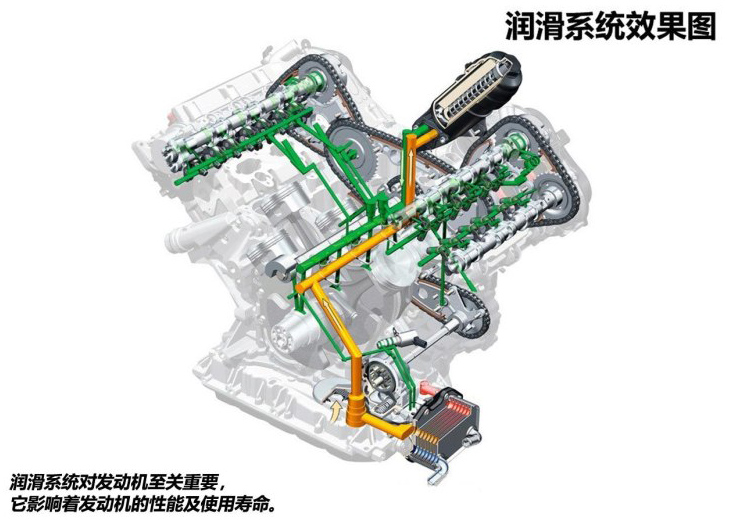
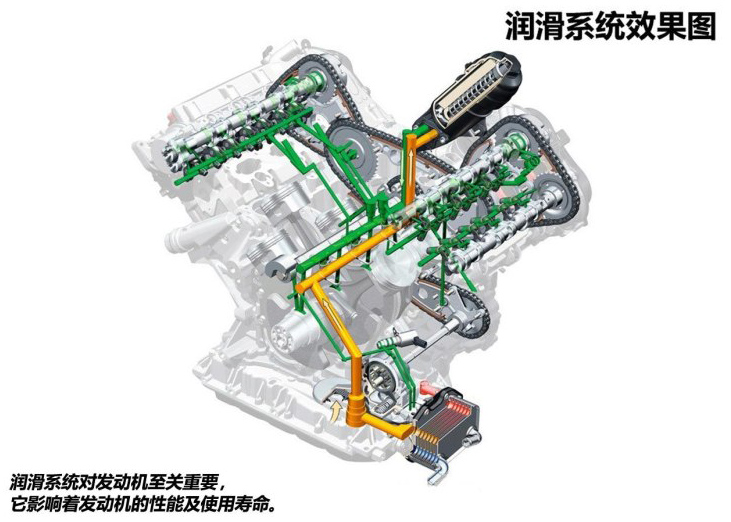
1. Lubrication and friction reduction: when the car is started,
pistonAnd the cylinder, the main shaft and
bushThere is rapid relative friction between the timing gear and the timing gear. A major function of the oil is to form an oil film between the two friction surfaces through the friction of the parts. The oil film separates the surfaces of the two friction parts, thereby reducing The purpose of wear.
2. Cleaning and cleaning: Another function of the oil is to bring the carbon deposits, sludge, metal wear particles and other dirt on the engine parts back to the oil pan through circulating flow to achieve the effect of cleaning and cleaning.
3. Sealing and anti-leakage: The oil can also form an oil film between the relative moving parts to improve their sealing performance and help prevent air or oil leakage.
4. Anti-rust and anti-corrosion: engine oil will form an oil film on the surface of the part through the movement of the part. This oil film can be
Engine oil
lubricating oil(English: Engine oil). The density is about 0.91×10³ (kg/m3), which can play the role of lubrication and wear reduction, auxiliary cooling and cooling, sealing and leakage prevention, rust and corrosion prevention, shock absorption and buffering for the engine.Known as
carThe "blood". Engine oil is composed of base oil and additives.
Learn more about engine oil,Base oil is the main component of lubricating oil and determines the basic properties of lubricating oil. Additives can make up for and improve the performance of base oils and give some new properties. It is an important part of lubricating oil.
1. The role of oil
1. Lubrication and friction reduction: when the car is started,
pistonAnd the cylinder, the main shaft and
bushThere is rapid relative friction between the timing gear and the timing gear. A major function of the oil is to form an oil film between the two friction surfaces through the friction of the parts. The oil film separates the surfaces of the two friction parts, thereby reducing The purpose of wear.
2. Cleaning and cleaning: Another function of the oil is to bring the carbon deposits, sludge, metal wear particles and other dirt on the engine parts back to the oil pan through circulating flow to achieve the effect of cleaning and cleaning.
3. Sealing and anti-leakage: The oil can also form an oil film between the relative moving parts to improve their sealing performance and help prevent air or oil leakage.
4. Anti-rust and anti-corrosion: engine oil will form an oil film on the surface of the part through the movement of the part. This oil film can be adsorbed on the surface of the part to prevent water, air, etc. from contacting the surface of the part and causing the part to corrode and rust.
5. Cooling and cooling: the oil can bring part of the heat in the engine back to the engine
tank, And then dispersed into the air, play a role in helping the coolant to cool the engine.
6. Shock absorption and cushioning: When the engine is started, the cylinder port pressure rises sharply, suddenly aggravating the piston, piston pin, connecting rod and
CrankshaftThe load on the bearing, this load is transmitted and lubricated by the bearing, absorbs shock and reduces vibration, and plays a buffering role.
2. Engine oil classification
At present, the engine oils on the market can be simply divided into mineral oil and synthetic oil according to the different base oils. The synthetic oil can be divided into semi-synthetic engine oil and fully synthetic engine oil.
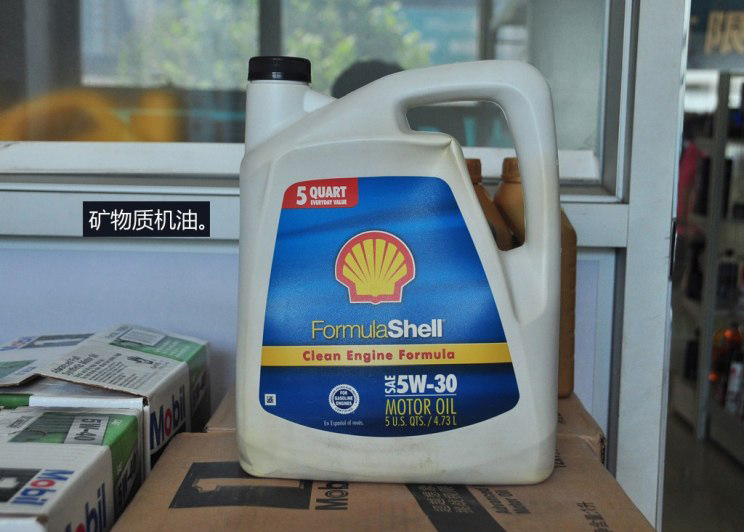
1. Mineral oil: The mineral oil base is derived from crude oil, that is, after crude oil proposes oil and gas, gasoline, diesel, kerosene, and heavy oil, the mineral oil base is then refined, and the bottom is asphalt. The mineral oil-based color is transparent and slightly light amber, just like the color of salad oil. Generally, the cost of mineral oil is very low, but because the mineral oil base is easier to oxidize, although various imported additives are added to mineral oil today, the service life is still about six months.
2. Fully synthetic motor oil: The motor oil only contains PAO or ester compounds, all of which are artificially made by chemical methods. It was first used in the aviation industry and subsequently used in racing cars. Now it is used in cars. The use of in has become very popular. The advantages of fully synthetic motor oil are high cleanliness, strong fluidity, good cooling ability, and excellent oxidation resistance.
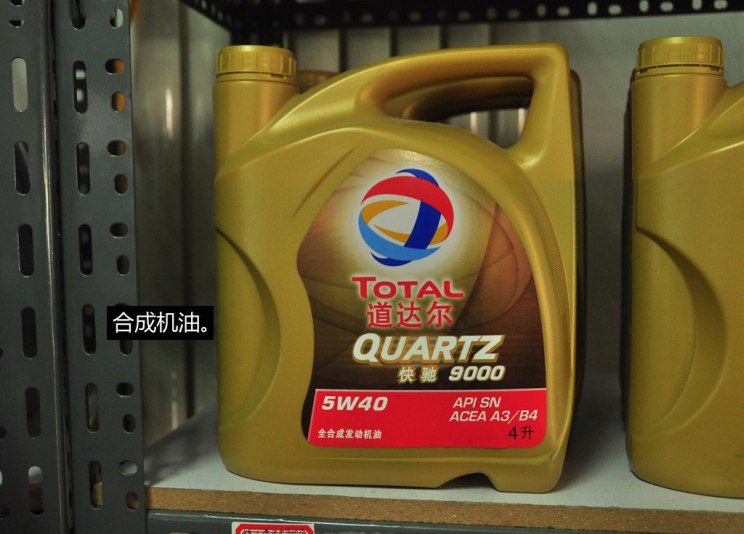
3. Semi-synthetic engine oil: Semi-synthetic engine oil refers to adding a part of mineral engine oil to the synthetic engine oil, and the ratio of mineral oil to synthetic engine oil is 4:6. Its characteristic is that it has the advantages of synthetic motor oil and is cheaper than fully synthetic motor oil. The performance of semi-synthetic motor oil in all aspects is definitely weaker than that of full-synthetic motor oil, but it has an advantage in price, and the replacement cycle is slightly shorter than that of full-synthetic motor oil.
The biggest difference between mineral oil and synthetic oil is: synthetic oil uses a wider temperature, longer service life, and higher cost; the same oil film requirements, synthetic oil can be achieved with a lower viscosity, while mineral oil needs to be used. Compared with synthetic oil, the viscosity can meet this requirement. In the same working environment, synthetic oil has a much longer service life than mineral oil, so the cost is higher, but after comparing the number of oil changes, it is not much higher than mineral oil.
3. Engine oil mark
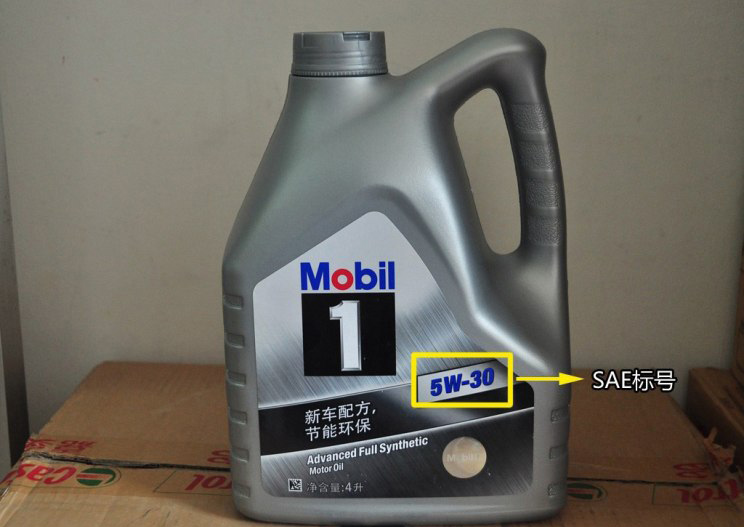
1. The meaning of the SAE label: SAE is the abbreviation of the English "Society of Motor Vehicle Engineers". The label behind SAE indicates the viscosity value of the oil, for example: SAE5W-40, where "W" stands for WINTER and the number in front of "W" Represents the fluid viscosity under low temperature conditions. The smaller the value, the better the low temperature fluidity of the oil, and the better the protection of the engine when the vehicle is cold started; the number after the "W" is the viscosity of the oil at 100°C , The higher the number, the higher the viscosity.
2. The meaning of the API label: API is the abbreviation of the English "American Petroleum Institute", and the label behind the API indicates the quality level of the engine oil.
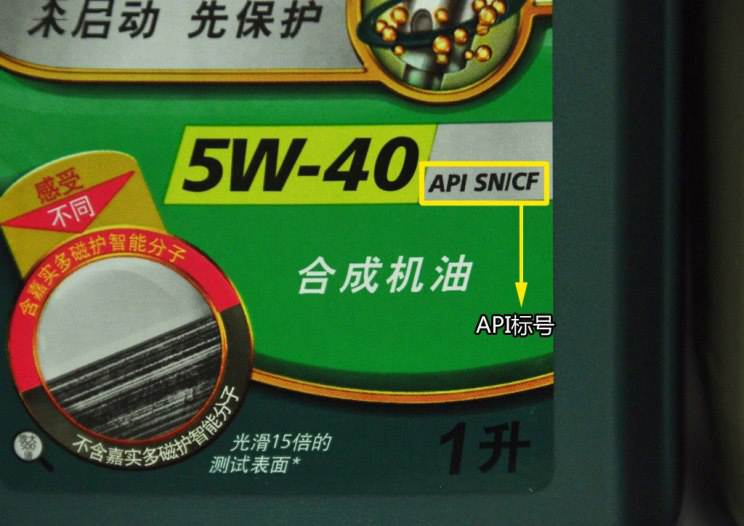
API engine oil is divided into three categories
1. The series beginning with "S" represent gasoline engine oil, and the specifications are: API SA, SB, SC, SD, SE, SF, SG, SH, SJ, SL, SM, SN.
2. The series beginning with "C" represent diesel engine oil, and the specifications are: API CA, CB, CC, CD, CE, CF, CF-2, CF-4, CG-4, CH-4, CI-4.
3. When the two letters "S" and "C" are present at the same time, it means that the engine oil is universal for gasoline and diesel.
The meaning of the letter after S or C is: from "SA" to "SN", each increment of a letter, the environmental protection level of the engine oil will be better than the previous one, the lower the letter, the higher the environmental protection level, among international brands Most of the engine oil grades are above SF grade, and the highest environmental grade engine oil at present is "SN" grade.