Vehicle information: 2010 Chery Tiggo, 1.6-displacement manual transmission, driving about 170,000 kilometers.
Vehicle failure: abnormal noise on the chassis, walking on a bad road is like falling apart.

According to the owner said: the car was walking on a bad road and there was an abnormal noise under the chassis. It has been a year since the car ran as if it fell apart. I was afraid of the wheels falling when I drove.
Check steps:
First, check the Control arm, ball joint, first check whether the ball joint dust cover is damaged. Damage to the dust cover does not mean that the ball joint will make abnormal noise, but it can be determined that it will be replaced soon.
Inspection method: Shake the tire by hand to observe whether the ball joint is loose. You can also grab the ball joint and shake it with your hands or use a wrench and crowbar to help you use it. If there is no looseness, the ball joint is intact.

Second, check the ball joint of the small balance tie rod. The small balance tie rod is the most prone to abnormal noise in the chassis. Some models need to be replaced every two years or so.
There are two inspection methods: First, check the ball joint clearance by manually cranking the small lever. Second, the small lever was removed and then t
Vehicle information: 2010 Chery Tiggo, 1.6-displacement manual transmission, driving about 170,000 kilometers.
Vehicle failure: abnormal noise on the chassis, walking on a bad road is like falling apart.
According to the owner said: the car was walking on a bad road and there was an abnormal noise under the chassis. It has been a year since the car ran as if it fell apart. I was afraid of the wheels falling when I drove.
Check steps:
First, check the Control arm, ball joint, first check whether the ball joint dust cover is damaged. Damage to the dust cover does not mean that the ball joint will make abnormal noise, but it can be determined that it will be replaced soon.
Inspection method: Shake the tire by hand to observe whether the ball joint is loose. You can also grab the ball joint and shake it with your hands or use a wrench and crowbar to help you use it. If there is no looseness, the ball joint is intact.
Second, check the ball joint of the small balance tie rod. The small balance tie rod is the most prone to abnormal noise in the chassis. Some models need to be replaced every two years or so.
There are two inspection methods: First, check the ball joint clearance by manually cranking the small lever. Second, the small lever was removed and then tested on the road.
 There are two ball heads in the small tie rod, both of which need to be checked.

Third, check the steering gear tie rod end,
Inspection method: Same as the above, first shake it by hand, and then use the crowbar if you can't shake it.

Fourth, check the inner tie rod end, ball joint.
Inspection method: This ball joint is better for inspection, and you can also remove the steering gear dust cover for inspection.

There is no grease in the ball joint, and a crisp "chuckle" sound can be heard when shaking it by hand. If there is a sound, it means it is broken.

Fifth, check the rack and pinion of the steering gear.
Inspection method: hit the wheel to one side, let the rack extend, and then shake it by hand. If there is a sense of looseness or abnormal noise, it means that the wear is too large, and it needs to be replaced according to common sense.
Remedy: Tighten the compression screw on the rack and pinion of the steering gear slightly. It takes many attempts. If you adjust the direction too tightly, it will be a bit heavy.

The tie rod ball joint of the steering gear is damaged and needs to be replaced after inspection.

There is no problem with this ball joint and does not need to be replaced.


Old tie rod Ball Joint.

New one.


Install the tie rods on the steering gear.


Tighten and put on the dust cover.

Install the ball Joint.

There is no looseness and abnormal noise when shaking by hand.

After replacing the tie rods, the toe parameters on the left and right sides of the tire will definitely be different, so four-wheel alignment is required. If the toe is wrong, the position of the steering wheel is not correct, the steering wheel cannot return automatically, the direction of left and right steering is different, or there will be problems such as gnawing and suspension when hitting the end.

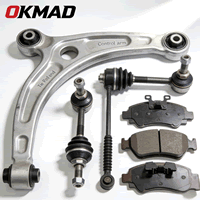


 There are two ball heads in the small tie rod, both of which need to be checked.


