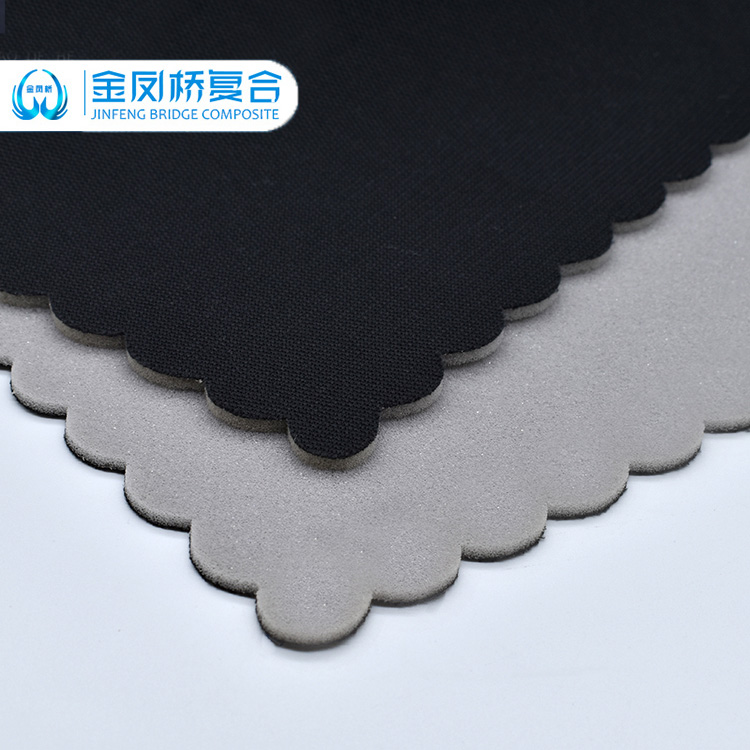
Car interior ceiling fabric is the basic material covering the top of the car, and is mainly responsible for decoration, sound insulation, buffering and other functions. Traditional ceiling fabrics mostly use a single fabric, which is prone to problems such as aging and cracking and difficulty in cleaning. Modern technology combines fabrics and sponge layers through composite processes to form composite materials that are both beautiful and practical, becoming an important choice for car interior upgrades.
1. Composite structure and material properties: The core structure of the ceiling cloth is composed of a fabric layer and a sponge layer. The fabric layer provides visual effects and tactile feel, and can be selected from a variety of materials such as mesh surface, velvet surface, suede, etc. to meet different style needs; the sponge layer uses high-density foaming technology to achieve buffering and shock-absorbing functions. Its thickness can be selected according to needs such as 2mm, 3mm, 5mm and other specifications, and the soft and hard feel can also be customized. The composite process uses high-strength bonding technology to ensure that the fabric and sponge layer will not be separated during long-term use. It is also wear-resistant, washable, light-resistant and aging-resistant. Some products are flame-retardant to improve safety.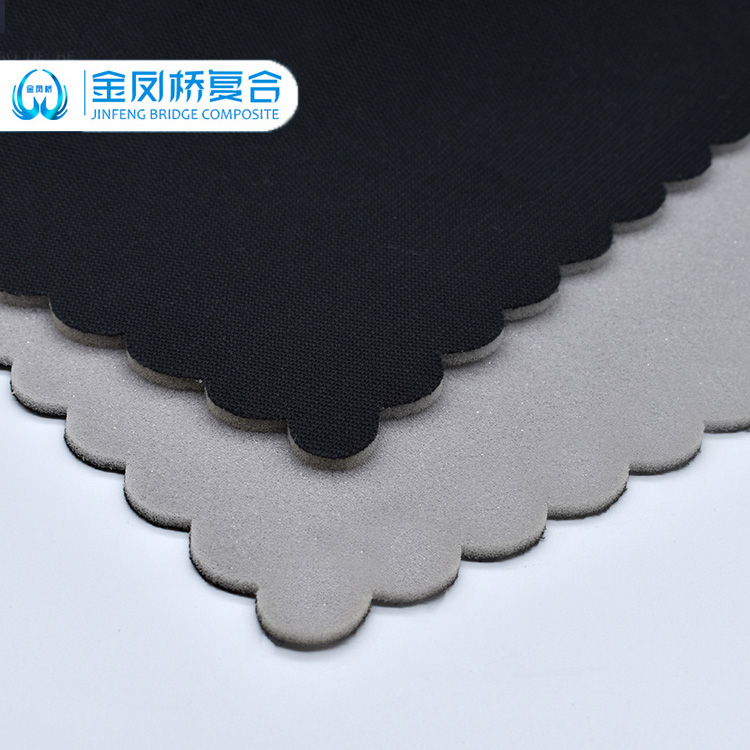
2. Functional advantages and application scenarios: The advantages of composite ceiling fabrics are reflected in multi-dimensional performance improvements: first, the cushioning and shock-absorbing properties can reduce abnormal noise on the roof during driving and improve riding comfort; second, the wear-resistant and washable properties extend the service life of the material, a
Car interior ceiling fabric is the basic material covering the top of the car, and is mainly responsible for decoration, sound insulation, buffering and other functions. Traditional ceiling fabrics mostly use a single fabric, which is prone to problems such as aging and cracking and difficulty in cleaning. Modern technology combines fabrics and sponge layers through composite processes to form composite materials that are both beautiful and practical, becoming an important choice for car interior upgrades.
1. Composite structure and material properties: The core structure of the ceiling cloth is composed of a fabric layer and a sponge layer. The fabric layer provides visual effects and tactile feel, and can be selected from a variety of materials such as mesh surface, velvet surface, suede, etc. to meet different style needs; the sponge layer uses high-density foaming technology to achieve buffering and shock-absorbing functions. Its thickness can be selected according to needs such as 2mm, 3mm, 5mm and other specifications, and the soft and hard feel can also be customized. The composite process uses high-strength bonding technology to ensure that the fabric and sponge layer will not be separated during long-term use. It is also wear-resistant, washable, light-resistant and aging-resistant. Some products are flame-retardant to improve safety.
2. Functional advantages and application scenarios: The advantages of composite ceiling fabrics are reflected in multi-dimensional performance improvements: first, the cushioning and shock-absorbing properties can reduce abnormal noise on the roof during driving and improve riding comfort; second, the wear-resistant and washable properties extend the service life of the material, and it is not easy to deform even if cleaned frequently; third, the environmentally friendly and easy-to-clean coating reduces the penetration of stains, making daily maintenance more convenient. In terms of application scenarios, this material is not only suitable for passenger car roofs, but can also be used in areas with higher durability requirements such as commercial vehicles and engineering vehicles. Some special process products can even meet the weather resistance requirements of outdoor vehicles.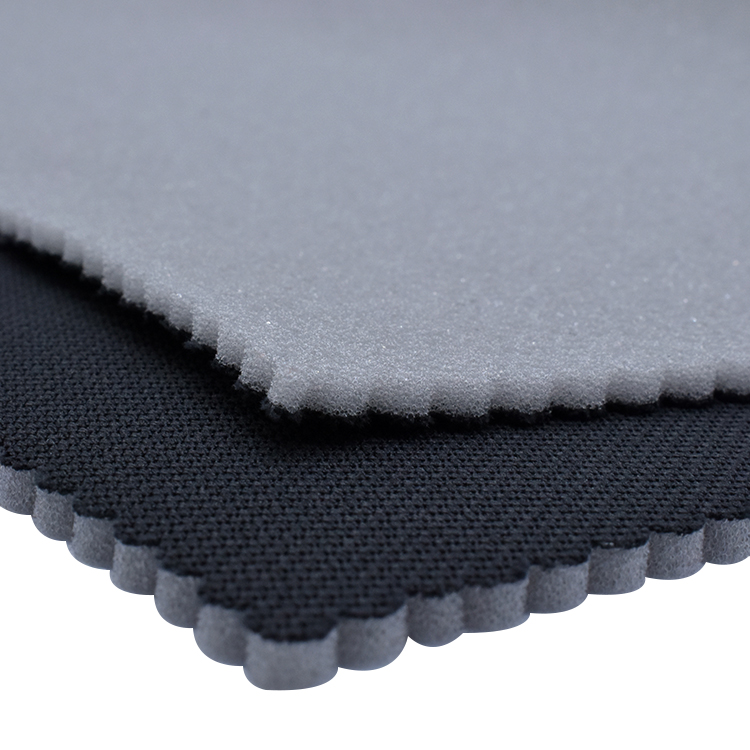
3. Specification customization and usage specifications: In order to adapt to the space of different car models, the ceiling cloth provides wide specifications such as 150CM, 160CM, and 170CM, and supports cutting according to the curvature of the top of the carriage. The length is packaged in rolls, usually 30 yards/roll, and any length can be customized to reduce material waste. When installing, pay attention to the surface flatness to avoid wrinkles that affect the sound insulation effect; it is recommended to use neutral detergent for cleaning to avoid strong acids and alkalis corroding the surface coating. The packaging is in a plastic bag or in a woven bag. It must be moisture-proof and scratch-proof during transportation.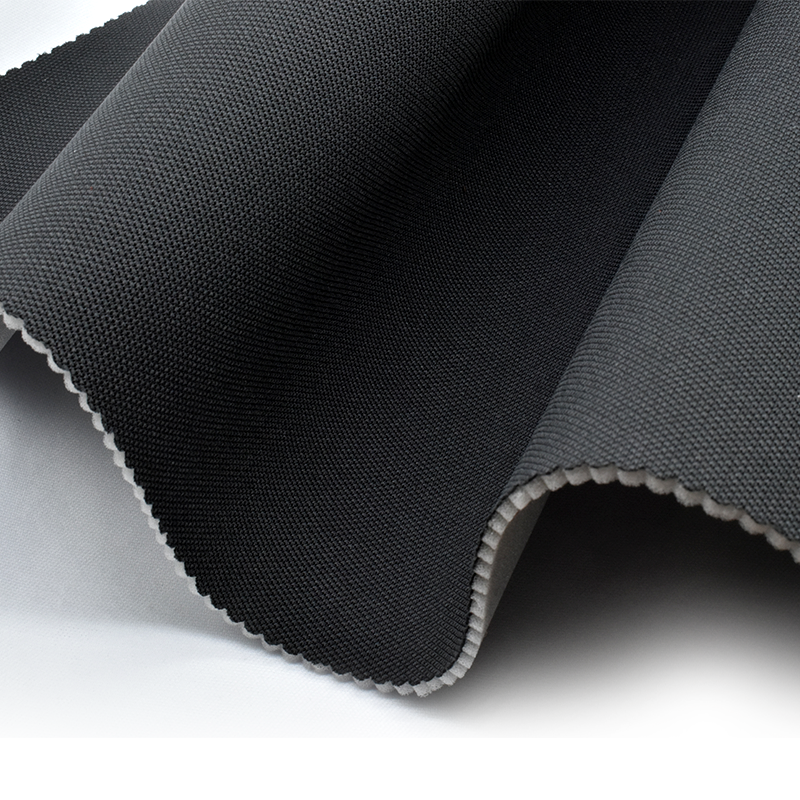
🛒 Jinfengqiao Composite Factory produces customized wear-resistant automotive interior ceiling cloth sponge composite fabrics
4. Technical highlights and industry trends: Compared with traditional ceiling fabrics, the composite process solves the industry problem of separation of fabrics and sponge layers, and achieves long-term stability through molecular-level bonding technology. Some high-end products introduce nano-coatings to further improve stain resistance and antibacterial properties. As the demand for lightweight vehicles increases, the application of low-density and high-strength sponges has become a trend, which can not only reduce the weight of the vehicle body, but also maintain cushioning performance. In the future, environmentally friendly recyclable materials and intelligent temperature-controlled coatings may become new technological directions.