Ever driven your car on fumes? How about with oil levels so low, you're basically just praying for the best? We've all been there, and it's never a good place to be. Let's dive into the nitty-gritty of oil levels and
Ever driven your car on fumes? How about with oil levels so low, you\'re basically just praying for the best? We\'ve all been there, and it\'s never a good place to be. Let\'s dive into the nitty-gritty of oil levels and driving with a low oil level, \'cause it\'s a topic that\'s worth more than a second glance.
What\'s the Big Deal About Low Oil Levels?
Think of oil as the blood of your car. It lubes up the engine, cleans the internals, and keeps the whole shebang from turning into a giant, smoking, oil-stained mess. When your oil gets low, you\'re essentially running your engine on a diet of sandpaper and water. Not cool.
But, Can You Drive with Low Oil?
Short answer: You can, but you shouldn\'t. Long answer: You can, but the risks are sky-high, and the consequences can be anything from an expensive repair bill to a total engine failure. So, let\'s break it down:
You Can Drive a Few Miles: If you find yourself with low oil, you can usually drive a few miles to the nearest gas station or mechanic. Just don\'t plan on a cross-country road trip.
You Can Drive Until the Engine Light Comes On: Some cars will let you drive a little longer before the engine light turns on. But, that doesn\'t mean you should. It\'s just a polite nudge from your car to get your butt into a shop.
You Can Drive Until the Car Shuts Off: Your car will eventually stop if the oil level gets too low. But, by then, you\'ve already pushed your engine to the brink of despair.
The Risks of Driving with Low Oil
So, what happens if you ignore the low oil warning and keep
Ever driven your car on fumes? How about with oil levels so low, you\'re basically just praying for the best? We\'ve all been there, and it\'s never a good place to be. Let\'s dive into the nitty-gritty of oil levels and driving with a low oil level, \'cause it\'s a topic that\'s worth more than a second glance.
What\'s the Big Deal About Low Oil Levels?
Think of oil as the blood of your car. It lubes up the engine, cleans the internals, and keeps the whole shebang from turning into a giant, smoking, oil-stained mess. When your oil gets low, you\'re essentially running your engine on a diet of sandpaper and water. Not cool.
But, Can You Drive with Low Oil?
Short answer: You can, but you shouldn\'t. Long answer: You can, but the risks are sky-high, and the consequences can be anything from an expensive repair bill to a total engine failure. So, let\'s break it down:
You Can Drive a Few Miles: If you find yourself with low oil, you can usually drive a few miles to the nearest gas station or mechanic. Just don\'t plan on a cross-country road trip.
You Can Drive Until the Engine Light Comes On: Some cars will let you drive a little longer before the engine light turns on. But, that doesn\'t mean you should. It\'s just a polite nudge from your car to get your butt into a shop.
You Can Drive Until the Car Shuts Off: Your car will eventually stop if the oil level gets too low. But, by then, you\'ve already pushed your engine to the brink of despair.
The Risks of Driving with Low Oil
So, what happens if you ignore the low oil warning and keep on driving? Here\'s a list of potential problems:
Engine Wear: Without enough oil, metal parts in your engine will grind against each other, leading to excessive wear and tear.
Engine Damage: Eventually, the grinding will cause permanent damage to the engine, leading to costly repairs or even a complete engine replacement.
Engine Failure: If you\'re lucky, the engine will just seize up. If you\'re not, you could end up on the side of the road, staring at your car\'s remains and wondering what just happened.
Increased Fuel Consumption: Low oil levels can make your engine work harder, leading to increased fuel consumption and lower mileage.
Environmental Damage: An oil leak can cause a mess and, if it gets into a waterway, can harm marine life.
How to Check Your Oil Levels
Preventing low oil levels is as simple as checking your oil regularly. Here\'s how to do it:
Find the Dipstick: It\'s usually marked with a bright orange handle and located under the hood.
Remove and Clean the Dipstick: Pull the dipstick out and wipe it clean with a rag or paper towel.
Insert the Dipstick Back In: Reinsert the dipstick all the way back into its tube.
Remove the Dipstick Again: Pull the dipstick out and check the oil level against the marks on the dipstick.
Read the Oil Level: The oil should be at or between the two marks. If it\'s below the lower mark, it\'s time to add some oil.
When to Add Oil
If your oil levels are low, it\'s time to add some. Here are a few tips:
Use the Right Oil: Check your owner\'s manual for the recommended type of oil for your car.
Don\'t Overfill: Adding too much oil can be just as harmful as not having enough.
Wait for the Engine to Cool: Adding oil to a hot engine can cause burns and messes.
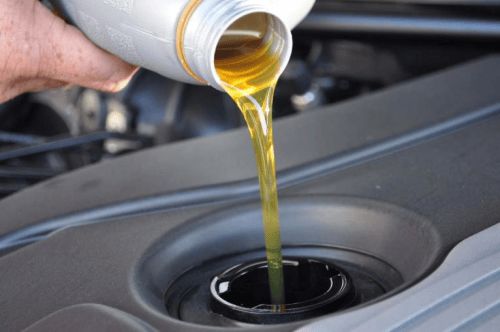
Use a Funnel: It\'ll help keep the oil where it belongs and not all over your garage floor.
Bottom Line
Low oil levels are a recipe for disaster. Don\'t risk your engine or your wallet. Keep an eye on your oil levels, and if they get low, add some oil or get to a mechanic pronto. Remember, your car\'s engine doesn\'t need a miracle to run smoothly; it just needs a little love and attention.
Material
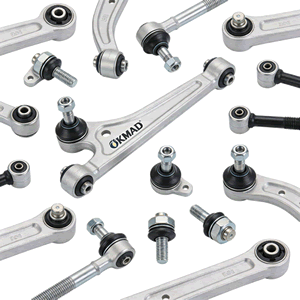
High-tensile steel / forged aluminum
Finish
E-coat / powder paint / zinc plating
Standards
IATF / ISO-based process control
Warranty
24 months
MOQ
50-100 pcs per reference
Lead Time
25-35 days after PO
Passenger Cars
SUVs & Pickups
Commercial Vehicles
Off-road Vehicles
Compatible Brands:
Toyota, Honda, Nissan, BMW, Mercedes-Benz, Ford, Hyundai, Kia, Volkswagen, Land Rover, and more...
Request a Quote
Just for B2B inquiries, no retail please. We'll get back to you within 24 hours.