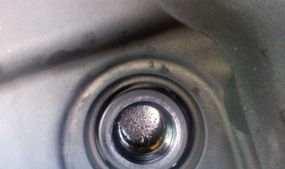
Hey there, car enthusiasts! If you've ever wondered what happens when oil sludge forms in your engine, you're in for a treat. We're diving deep into the world of oil sludge, its consequences, and how it affects your c
Hey there, car enthusiasts! If you\'ve ever wondered what happens when oil sludge forms in your engine, you\'re in for a treat. We\'re diving deep into the world of oil sludge, its consequences, and how it affects your car\'s oil cap and gauge. So, buckle up and let\'s get to it!
What is Oil Sludge?
First things first, let\'s define what oil sludge is. Oil sludge is a thick, gooey substance that forms when oil breaks down over time. It\'s a result of the chemical reactions that occur between the oil, contaminants, and heat generated by your engine. Now, before you start panicking, it\'s important to note that a little bit of sludge is normal. However, excessive sludge can cause major issues.
Consequences of Oil Sludge Formation
So, what consequences can we expect from oil sludge formation? Here are a few to keep an eye out for:
Clogged Filters: Oil sludge can clog your engine\'s oil filters, restricting the flow of oil and leading to poor lubrication.
Reduced Oil Pressure: As sludge builds up, it can reduce the oil pressure in your engine, leading to potential damage.
Increased Engine Wear: Poor lubrication and reduced oil pressure can accelerate engine wear, leading to costly repairs.
Failed Gaskets and Seals: Sludge can cause gaskets and seals to deteriorate, leading to oil leaks and further damage.
Reduced Fuel Efficiency: Oil sludge can increase friction in your
Hey there, car enthusiasts! If you\'ve ever wondered what happens when oil sludge forms in your engine, you\'re in for a treat. We\'re diving deep into the world of oil sludge, its consequences, and how it affects your car\'s oil cap and gauge. So, buckle up and let\'s get to it!
What is Oil Sludge?
First things first, let\'s define what oil sludge is. Oil sludge is a thick, gooey substance that forms when oil breaks down over time. It\'s a result of the chemical reactions that occur between the oil, contaminants, and heat generated by your engine. Now, before you start panicking, it\'s important to note that a little bit of sludge is normal. However, excessive sludge can cause major issues.
Consequences of Oil Sludge Formation
So, what consequences can we expect from oil sludge formation? Here are a few to keep an eye out for:
Clogged Filters: Oil sludge can clog your engine\'s oil filters, restricting the flow of oil and leading to poor lubrication.
Reduced Oil Pressure: As sludge builds up, it can reduce the oil pressure in your engine, leading to potential damage.
Increased Engine Wear: Poor lubrication and reduced oil pressure can accelerate engine wear, leading to costly repairs.
Failed Gaskets and Seals: Sludge can cause gaskets and seals to deteriorate, leading to oil leaks and further damage.
Reduced Fuel Efficiency: Oil sludge can increase friction in your engine, resulting in reduced fuel efficiency.
Oil Cap and Gauge – What\'s the Difference?
Never heard of an oil cap? Well, it\'s the part of your engine that holds the oil. Now, when it comes to monitoring your engine\'s oil level, you\'ve got two tools – the oil cap and the oil gauge. Here\'s the difference between the two:
Oil Cap: The oil cap is the part of your engine that you remove to add or check the oil level. It\'s usually marked with a symbol that looks like an oil can.
Oil Gauge: The oil gauge is a dial located on your car\'s dashboard that shows the oil level in your engine. It\'s usually a green light when everything is fine, but it turns red if the oil level is low.
Now, here\'s where it gets interesting. While the oil cap can show evidence of oil emulsion, the oil gauge may not always reflect the same. Why? Well, oil emulsion is a mix of oil and water that can form when oil breaks down. The oil cap might show signs of emulsion, but the oil gauge might still show a normal reading. This is because the oil gauge only measures the oil level, not the quality.
How to Prevent Oil Sludge
Now that we know the consequences of oil sludge, let\'s talk about prevention. Here are a few tips to keep your engine oil clean and sludge-free:
Change Oil Regularly: Follow your car\'s manufacturer\'s recommendations for oil changes. Don\'t wait until your oil is dirty – change it on time.
Use High-Quality Oil: Invest in a high-quality oil that\'s specifically formulated for your car\'s engine.
Avoid Short Trips: Short trips can cause your engine to run at lower temperatures, which can increase oil sludge formation. Try to combine short trips into longer ones.
Keep Your Engine Clean: Regularly clean your engine to remove any dirt or debris that can contribute to oil sludge formation.
And there you have it, folks! Now you know the consequences of oil sludge formation, the difference between the oil cap and gauge, and how to prevent it. So, go ahead and share this knowledge with your fellow car enthusiasts. Happy motoring!
Material
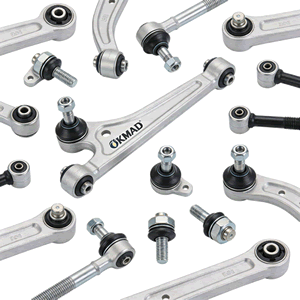
High-tensile steel / forged aluminum
Finish
E-coat / powder paint / zinc plating
Standards
IATF / ISO-based process control
Warranty
24 months
MOQ
50-100 pcs per reference
Lead Time
25-35 days after PO
Passenger Cars
SUVs & Pickups
Commercial Vehicles
Off-road Vehicles
Compatible Brands:
Toyota, Honda, Nissan, BMW, Mercedes-Benz, Ford, Hyundai, Kia, Volkswagen, Land Rover, and more...
Request a Quote
Just for B2B inquiries, no retail please. We'll get back to you within 24 hours.