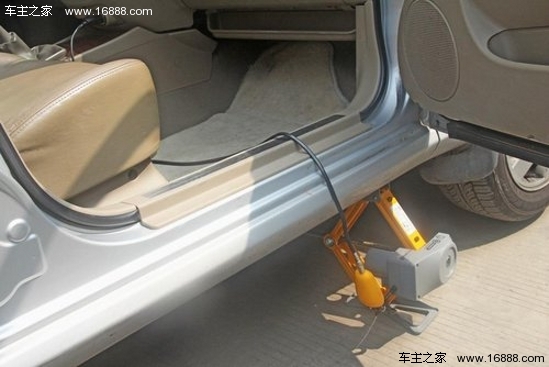
How to use the jack correctly in the maintenance car for everyone
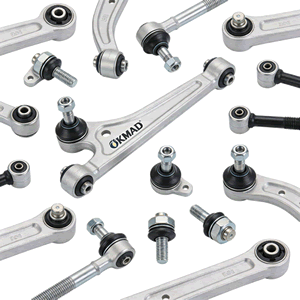
Product Overview
【Car owner's car knowledge】When the vehicle is jacked up, the engine must not be started, because the vibration of the engine or the rotation of the wheels will cause the vehicle to slip off the jack and cause danger. In
Key Features
- Meet or exceed OEM requirements
- 2 years warranty
- Strict quality control
- Complete testing from material to product
Quality Assurance
【Car owner's car knowledge】When the vehicle is jacked up, the engine must not be started, because the vibration of the engine or the rotation of the wheels will cause the vehicle to slip off the jack and cause danger. In order to ensure the safety of various types of cars, the jacks generally have a fixed position when using the jacks, and the jacks cannot be used to support bumpers, beams and other parts.
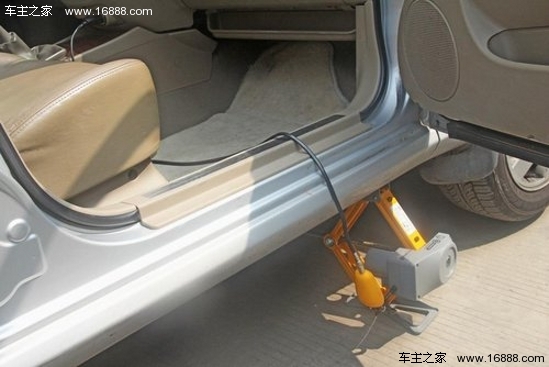
Auto mechanics must never work under an unsupported vehicle, and passengers must not linger on the vehicle while changing wheels, as their movement may cause the vehicle to slip off the jack. If there is no jack when changing the tire, different emergency measures can be taken according to the position of the tire being replaced.
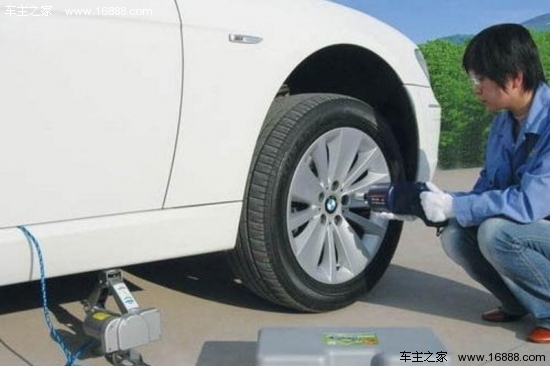
When replacing the outer tires of the two wheels, the inner wheel of the car can be parked on a wooden block or stone with a suitable height, and the outer tire can be suspended in the air for replacement. Pay attention to tighten the handbrake and plug the front wheel. When replacing the front tires or rear inner tires, use stones or bricks to stabilize the front axle and rear axle of the car, and dig holes under the tires to be removed so that the tires can be suspended in the air for replacement.
【Car owner's car knowledge】When the vehicle is jacked up, the engine must not be started, because the vibration of the engine or the rotation of the wheels will cause the vehicle to slip off the jack and cause danger. In order to ensure the safety of various types of cars, the jacks generally have a fixed position when using the jacks, and the jacks cannot be used to support bumpers, beams and other parts. Auto mechanics must never work under an unsupported vehicle, and passengers must not linger on the vehicle while changing wheels, as their movement may cause the vehicle to slip off the jack. If there is no jack when changing the tire, different emergency measures can be taken according to the position of the tire being replaced. When replacing the outer tires of the two wheels, the inner wheel of the car can be parked on a wooden block or stone with a suitable height, and the outer tire can be suspended in the air for replacement. Pay attention to tighten the handbrake and plug the front wheel. When replacing the front tires or rear inner tires, use stones or bricks to stabilize the front axle and rear axle of the car, and dig holes under the tires to be removed so that the tires can be suspended in the air for replacement.
| Material | High-tensile steel / forged aluminum |
|---|---|
| Finish | E-coat / powder paint / zinc plating |
| Standards | IATF / ISO-based process control |
| Warranty | 24 months |
| MOQ | 50-100 pcs per reference |
| Lead Time | 25-35 days after PO |
Compatible Brands:
Toyota, Honda, Nissan, BMW, Mercedes-Benz, Ford, Hyundai, Kia, Volkswagen, Land Rover, and more...
Request a Quote
Just for B2B inquiries, no retail please. We'll get back to you within 24 hours.
Related Products